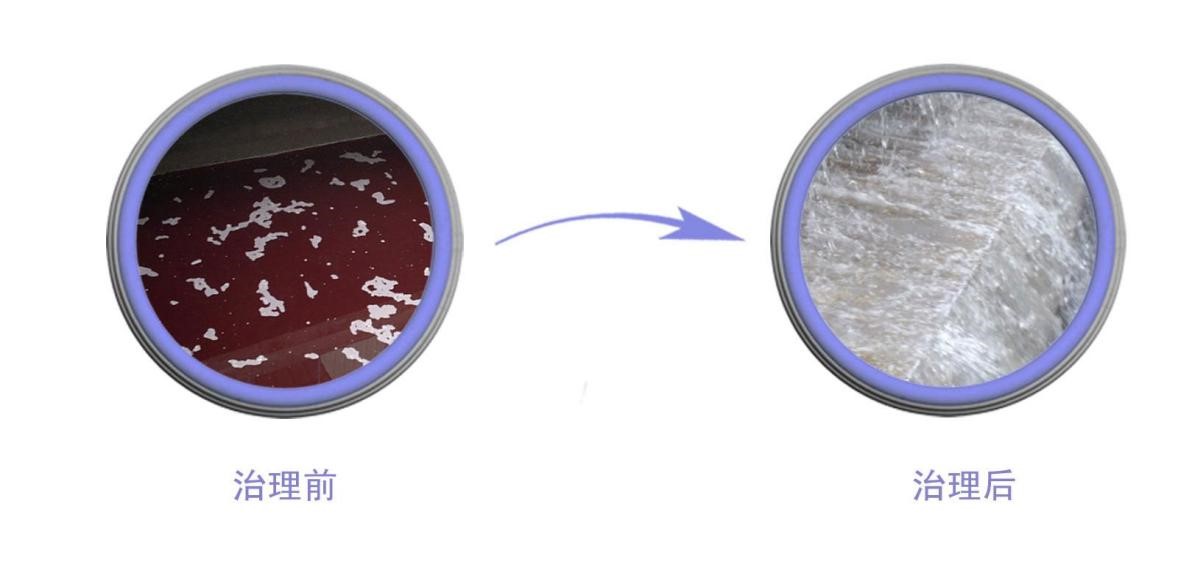
Printing and dyeing wastewater is the wastewater discharged from printing and dyeing factories
that mainly process cotton, linen, chemical fibers, and their blended products.
The amount of printing and dyeing wastewater is relatively large,with 100-200 tons of water consumed
for every ton of textile processed, of which 80-90% becomes wastewater.
Textile printing and dyeing wastewater has the characteristics of large water volume,high organic pollutant content,
high alkalinity,and large water quality changes.
It is one of the difficult industrial wastewater to treat.
The wastewater contains dyes, pulp, additives, oil agents, acid and alkali, fiber impurities,sand substances, inorganic salts, etc.
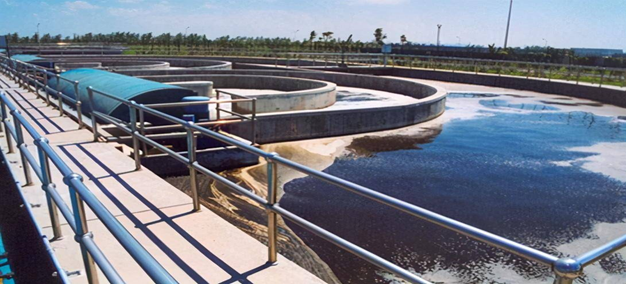
1.Analysis of Characteristics of Printing
and Dyeing Wastewater
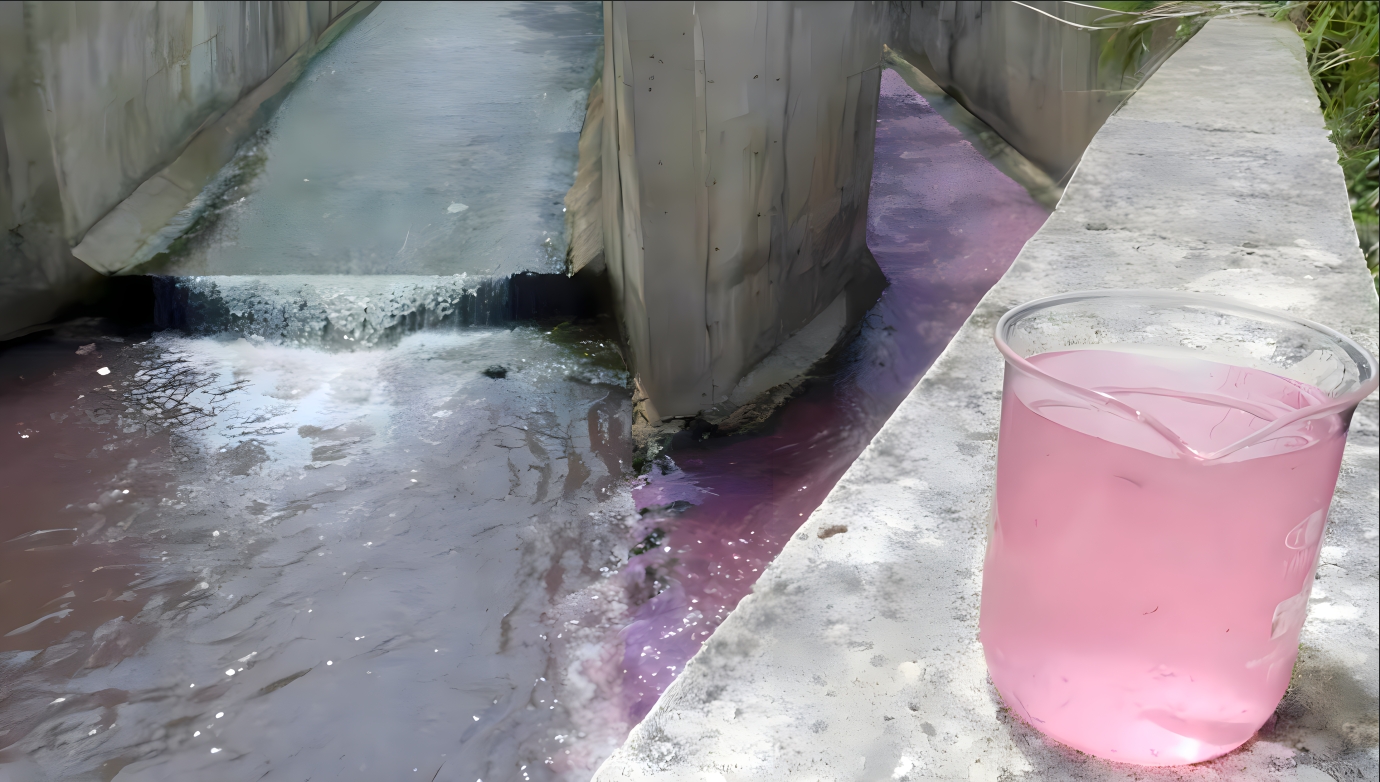
Printing and dyeing wastewater has the characteristics of large water volume, complex composition,
high chromaticity, high concentration of organic matter,and large fluctuations in water quality.
The wastewater mainly contains unabsorbed dyes, slurries, additives,as well as acid and alkali waste liquids
and heavy metal ions generated during the production process.
Among them, there are various types of dyes, including reactive dyes, direct dyes, reducing dyes, etc.
Most of them have the characteristics of anti photolysis, anti-oxidation, and anti biodegradation,which increases
the difficulty of treating printing and dyeing wastewater.
2. Principles of Printing and
Dyeing Wastewater Treatment
The core of printing and dyeing wastewater treatment is to remove or convert harmful substances
in the wastewater into harmless substances through various means such as physical, chemical,
and biological methods,in order to meet discharge standards or reuse requirements.
The processing mainly includes three stages: pre-processing, biochemical treatment, and deep processing.
2-1. Pre treatment stage
The main purpose is to remove suspended solids,large particle impurities,and some color in the wastewater,
creating conditions for subsequent biochemical treatment.
Common methods include grid filtration,regulating tank homogenization,coagulation sedimentation, air flotation, etc.
Among them, coagulation precipitation is achieved by adding coagulants to form flocs and precipitate suspended solids
and some colloidal particles in the wastewater;Air flotation is the use of tiny bubbles to adhere suspended matter
and float it to the surface for separation.
2-2. Biochemical treatment stage
Utilizing the metabolic process of microorganisms,organic matter in wastewater is converted into
harmless substances such as carbon dioxide, water, and microbial cell bodies.
According to whether microorganisms are aerobic or not,they can be divided into two categories:
aerobic treatment and anaerobic treatment.
The commonly used aerobic treatment processes include activated sludge process, biofilm process
(such as biological contact oxidation, aerated biofilter, etc.),
while anaerobic treatment includes UASB (upflow anaerobic sludge bed), IC (internal circulation anaerobic reactor), etc.
In the treatment of printing and dyeing wastewater,aerobic anaerobic combined processes are often used
to improve treatment efficiency and effectiveness.
2-3. Deep treatment stage
For wastewater indicators that are still difficult to meet after biochemical treatment
(such as chromaticity, COD, SS, etc.),more advanced treatment technologies are used for further purification.
Common methods include adsorption, oxidation (such as ozone oxidation, Fenton oxidation),
membrane separation (ultrafiltration, nanofiltration, reverse osmosis), etc.
Deep treatment can effectively remove trace pollutants from wastewater,ensuring that the effluent quality
meets stricter discharge standards or reuse requirements.
3. Typical process flow
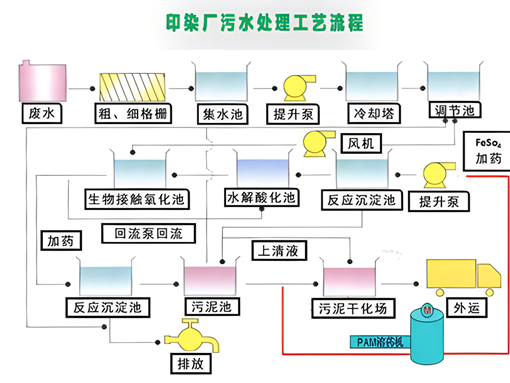
The typical process flow for treating printing and dyeing wastewater usually includes
pretreatment → regulating tank → coagulation sedimentation/air flotation → anaerobic treatment
→ aerobic treatment→ sedimentation tank → deep treatment → effluent.
The following is a detailed explanation of each stage:
3-1. Preprocessing
Remove large floating objects and solid debris through grilles to reduce the load and wear of
subsequent processing equipment.
3-2. Regulating tank
Homogeneous and uniform, stable water quality and quantity,providing good conditions
for subsequent treatment.
3-3. Coagulation sedimentation/air flotation
Removes suspended solids, colloids, and some color in wastewater,reducing the load
of biochemical treatment.
3-4. Anaerobic treatment
Utilizing the decomposition effect of anaerobic bacteria to break down large molecular organic matter
in wastewater into small molecular organic matter,while producing biogas for energy recovery and utilization.
3-5. Aerobic treatment
Under sufficient oxygen conditions,aerobic bacteria further decompose organic matter into
carbon dioxide and water,achieving the harmless treatment of pollutants.
3-6. Deep treatment
Select appropriate deep treatment techniques according to the requirements of effluent quality
to ensure that the effluent meets the standards or is reused.
4.Case analysis
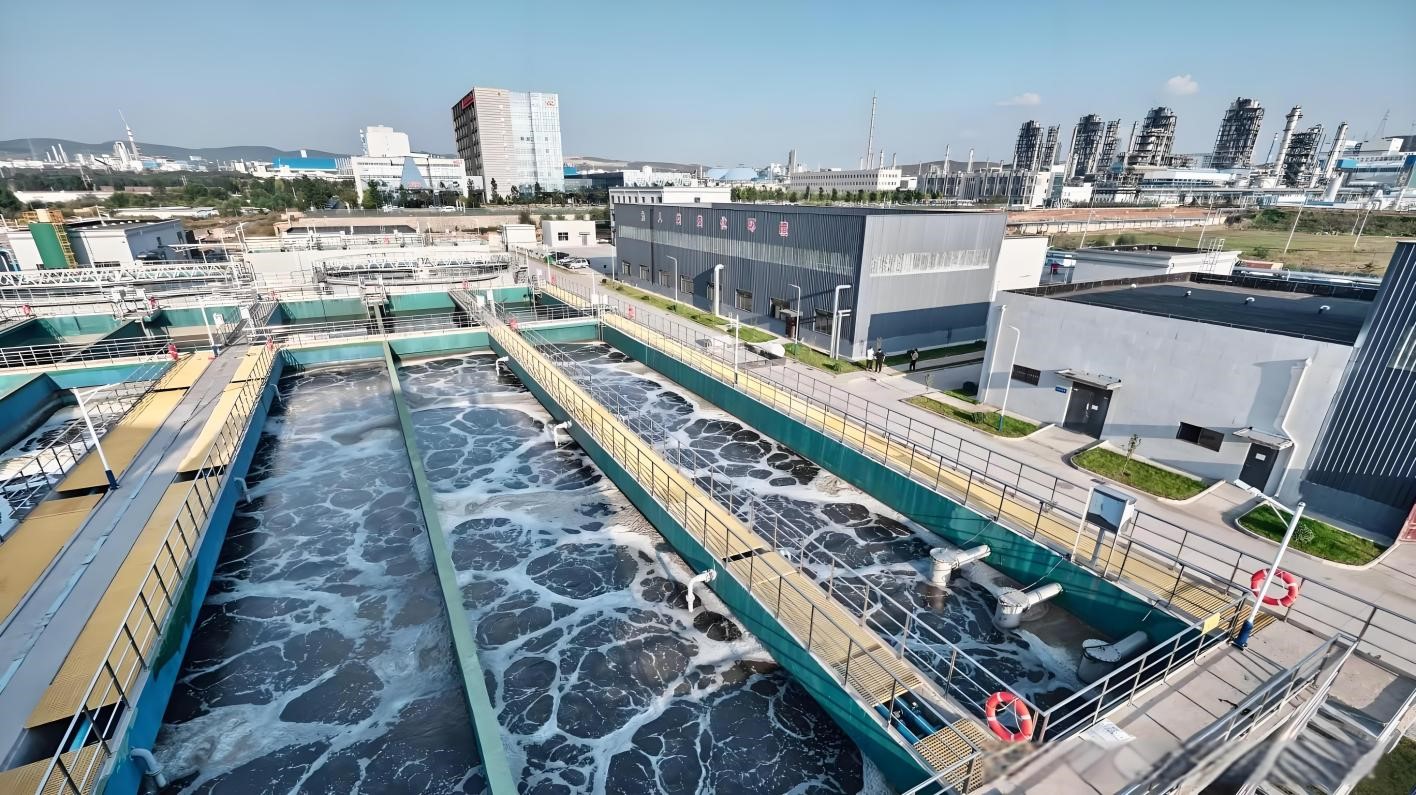
4-1 Case Name
【Upgrading and Renovation Project of Wastewater Treatment for a Large Printing and Dyeing Enterprise in Guangzhou】
4-2 Project background
The original wastewater treatment system of the enterprise has been in operation for many years,facing problems
such as insufficient treatment capacity and unstable effluent quality,which cannot meet the newly revised environmental
discharge standards.
Therefore, it has been decided to carry out a comprehensive upgrade and renovation of the wastewater treatment system.
5.Renovation content:
5-1. Preprocessing system optimization
Adding efficient and fine grids to improve the removal rate of suspended solids;Introducing a combination
of coagulation sedimentation and air flotation processes to enhance color and SS removal efficiency.
5-2. Introduction of advanced treatment system
Adding ozone oxidation and activated carbon adsorption units to deeply remove recalcitrant organic matter
and chromaticity,ensuring that effluent COD,chromaticity and other indicators meet the standards of recycled water quality.
5-3. Construction of intelligent control system
Establish an automated control system for wastewater treatment to achieve online monitoring of water quality,
intelligent dosing, remote monitoring of equipment,and improve operational management and emergency response capabilities.
6.Implementation effect
6-1. After the upgrade and renovation, the
treatment capacity of the wastewater treatment system has significantly
improved,and it can stably treat all the printing and dyeing wastewater generated by the enterprise everyday
without the need for external discharge.
6-2.The effluent quality has significantly improved,with COD (Chemical Oxygen Demand) removal rate increasing
to over 95% and chromaticity removal rate approaching 100%.
Other indicators such as ammonia nitrogen and total phosphorus have also met or exceeded the discharge standards
set by local environmental protection departments and the water quality requirements for enterprise reuse.
6-3.Both economic and environmental benefits are abundant.
By optimizing the process and improving processing efficiency,the project has reduced the consumption of
chemicals and energy,and lowered operating costs.
At the same time, achieving zero or low discharge of wastewater effectively reduces environmental pressure,
enhances corporate image,and lays a solid foundation for the sustainable development of the enterprise.
6-4.The introduction of intelligent control systems not only improves the automation and informatization level
of wastewater treatment plants,but also significantly reduces the intensity of manual operations,reduces the possibility
of human error, and ensures the stability and reliability of system operation.
In addition, through data analysis and warning functions,potential problems can be detected and dealt with in
a timely manner,avoiding the occurrence of major accidents.