As an important part of manufacturing industry,machining industry not only promotes the development
of social economy,but also produces a lot of wastewater discharge problems.
These wastewater contains oil, emulsion, metal cutting fluid, cooling fluid, cleaning agent residues,as well as various
suspended matter,heavy metal ions and other harmful substances,if not effectively treated direct emissions,
will seriously pollute the water environment,threatening ecological security and human health.
Therefore, the construction and operation of mechanical processing wastewater treatment project
is of great
significance for the sustainable development of industry and the protection of
ecological environment.
1、The principle of mechanical wastewater treatment
The core principle of machining wastewater treatment is to remove pollutants in wastewater by physical,
chemical and biological means, so that the water quality can meet the discharge standards or reuse requirements.
In particular, the principle of treatment includes the following aspects:
1-1 Physical treatment
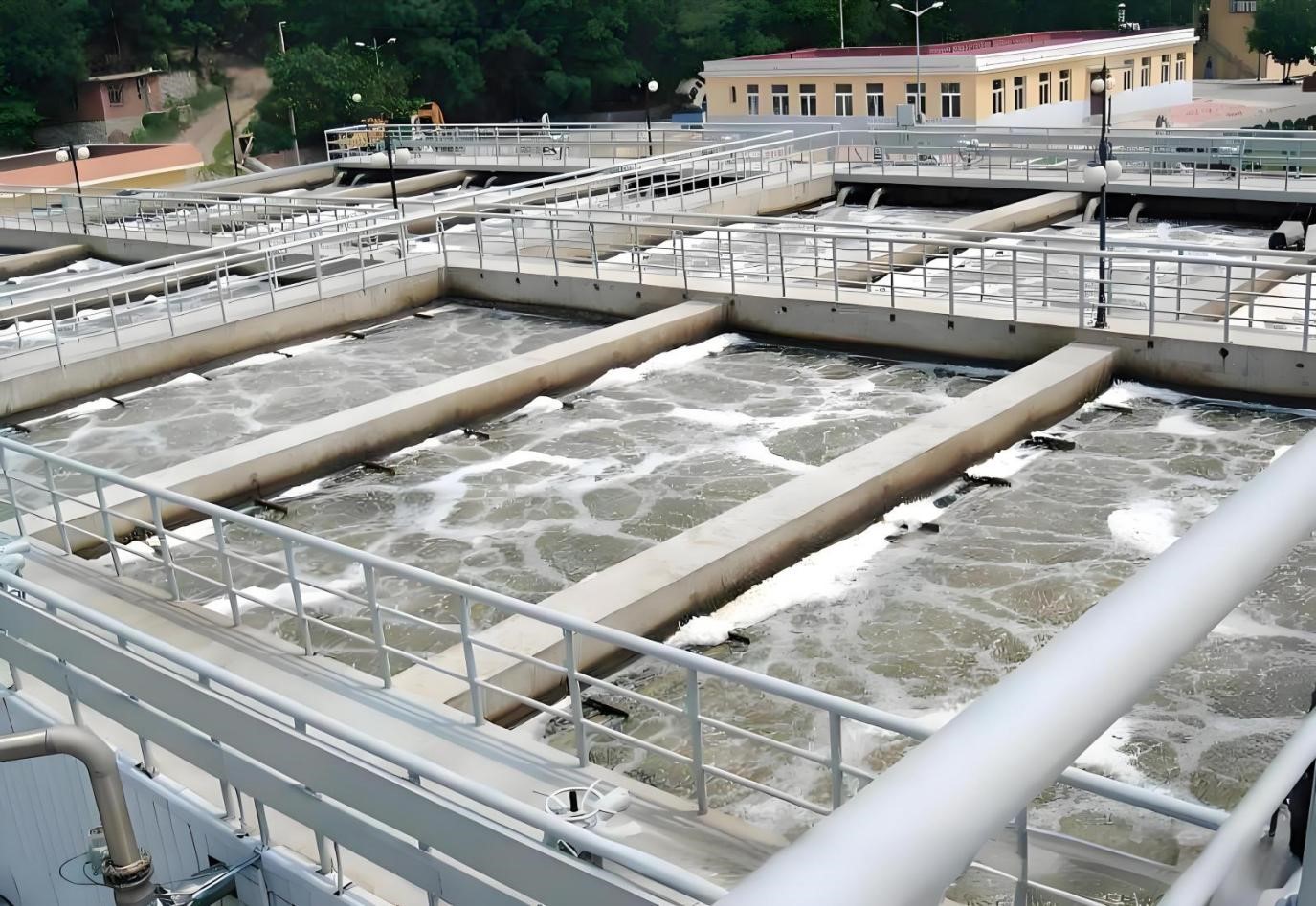
The use of physical action (such as gravity separation, filtration, air flotation, etc.)
to remove suspended matter in wastewater,oil slick and other large particles of pollutants.
For example, the Yew Tee Bay is used to remove the oil slick and the suspended solids are settled
and separated by a sedimentation tank.
1-2 Chemical treatment
By adding chemicals,so that pollutants in the wastewater chemical reaction,into easily
separated or harmless substances.
The common chemical treatment methods include coagulation precipitation, oxidation-reduction,
chemical precipitation and so on.
In the treatment of machining wastewater,it is often used to remove oil and heavy metal ions from emulsion.
1-3 Biological treatment
The use of microbial metabolism,organic waste water into a stable harmless substances.
Biological treatment methods include aerobic treatment (such as activated sludge, biofilm, etc.)
and anaerobic treatment (such as UASB, IC, etc.).
In the treatment of machining wastewater,aerobic treatment is often used in the advanced treatment stage
to further improve water quality.
1-4 Physical Chemistry
A process that combines physical and chemical principles such as adsorption,ion exchange,
membrane separation, etc.
These methods perform well in the removal of specific pollutants such as heavy metal ions and
refractory organic compounds.
2、Process flow
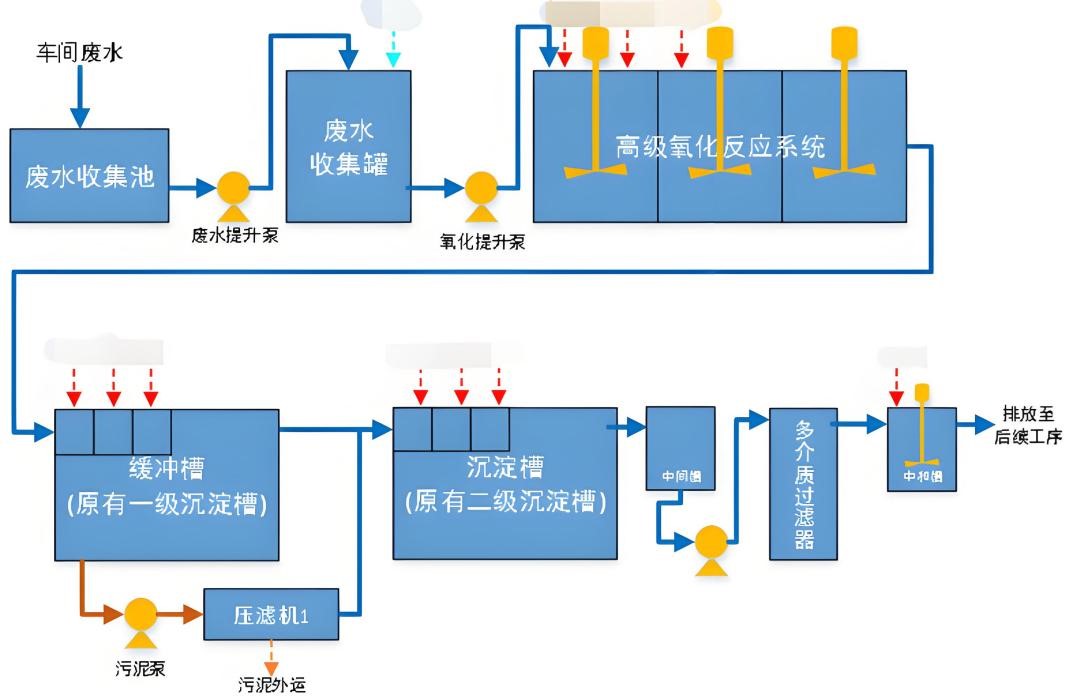
The process of machining wastewater treatment usually includes four main stages:
pretreatment, main treatment, advanced treatment and sludge treatment:
1、Pre-treatment stage
1-1 Grille
To remove large suspended and floating matter from wastewater
and protect subsequent treatment equipment from clogging.
1-2 Regulating Pond
Uniform, regulating the quality of wastewater water for the subsequent treatment
to provide a stable water intake conditions.
1-3 Grease trap/air flotation
Removal of oil slick and emulsified oil from wastewater to reduce the burden of subsequent biochemical treatment
2、Main Processing Stage:
2-1 Coagulation and sedimentation tank
Add coagulant, so that suspended matter in wastewater,colloid and other coagulation into larger
particles and settlement separation.
2-2 Biochemical treatment unit (such as activated sludge tank)
The use of microbial metabolism in the degradation of organic matter in wastewater
2-3Chemical precipitation/oxidation
Chemical treatment of specific pollutants such as heavy metal ions and refractory organic compounds
3、In-depth processing:
3-1 Sand/carbon filtration
Further removal of suspended solids,colloids and some organic matter to enhance water quality transparency.
3-2 Membrane treatment (such as ultrafiltration, reverse osmosis)
Deep purification of water, removal of small particles, bacteria, viruses and most of the dissolved organic matter,
to meet the requirements of reuse or high-standard emissions.
4、Sludge treatment stage:
4-1 Sludge Thickener
Reduce the volume of sludge for subsequent treatment.
Using filter press, plate and frame filter press equipment,further reduce the moisture content of sludge,
easy to transport and disposal.
4-3 Sludge disposal
According to the nature of sludge and local environmental requirements,choose compost,
incineration, landfill and other appropriate disposal methods.
5、Key Technologies
5-1 High-efficiency coagulation technology
develop new coagulants, optimize coagulation conditions,improve coagulation and sedimentation efficiency.
5-2 Bioaugmentation technology
Screening high-efficient degradation bacteria,constructing dominant bacteria,improving
the effect of biochemical treatment.
5-3 Membrane separation technology
The use of ultrafiltration, reverse osmosis and other membrane technology to achieve deep purification
and reuse of wastewater.
5-4 Sludge reduction and reuse technology
Through biological uncoupling, biological predation and other means to reduce the amount of sludge,and
explore ways of sludge reuse.
6、Key Points of Project Implementation
6-1 Pre-research and planning
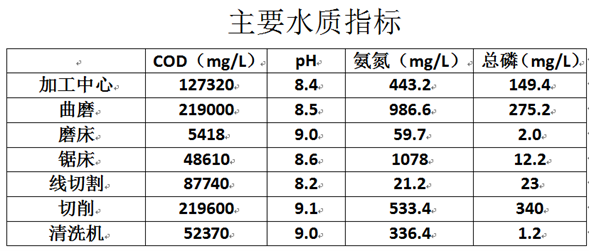
In-depth understanding of wastewater quality and quantity characteristics,clear treatment objectives
and discharge standards,develop a scientific and reasonable treatment program.
6-2 Equipment selection and procurement
According to the treatment process requirements,select stable performance, low energy consumption,
easy maintenance of equipment to ensure the treatment effect and economy.
6-3 Engineering construction and commissioning
Strictly in accordance with the construction drawings and specifications for construction to ensure
the quality and safety of the project.
After the completion of the construction,the system debugging and trial operation,adjust the process
parameters to ensure that the normal operation of the treatment units and achieve the design treatment effect.
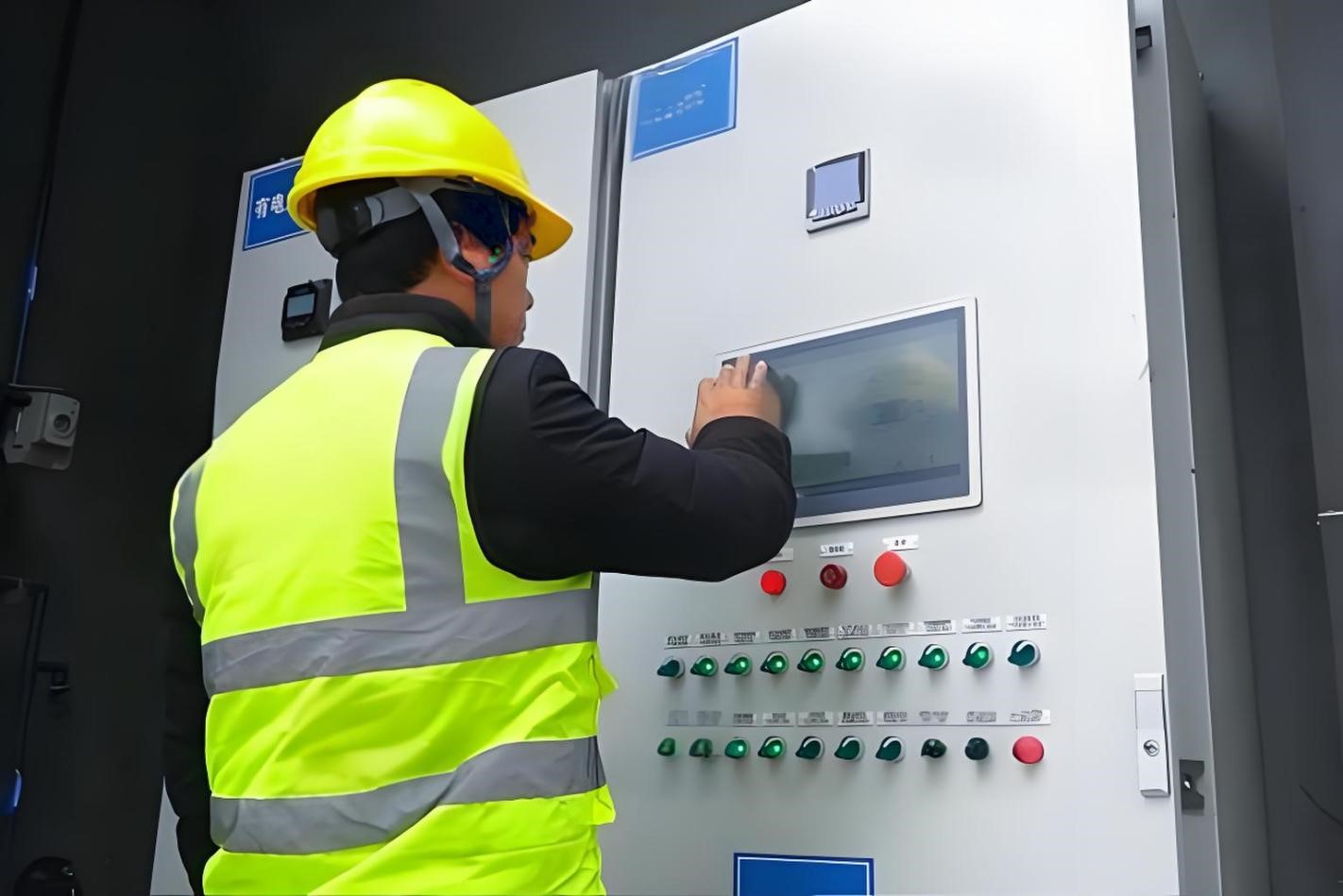
6-4 Intelligent Management
Automatic control system and on-line monitoring technology are introduced to realize real-time
monitoring and intelligent management of wastewater treatment process.
Through the data analysis, optimize the operation parameters,improve the efficiency and stability of processing,
reduce the occurrence of human error and fault.
6-5 Emergency handling plan
To formulate a sound emergency handling plan,and plan preventive and response measures
for possible emergencies (such as equipment failure, water quality exceeding standards, etc.),ensure rapid response
and efficient handling in emergency situations.
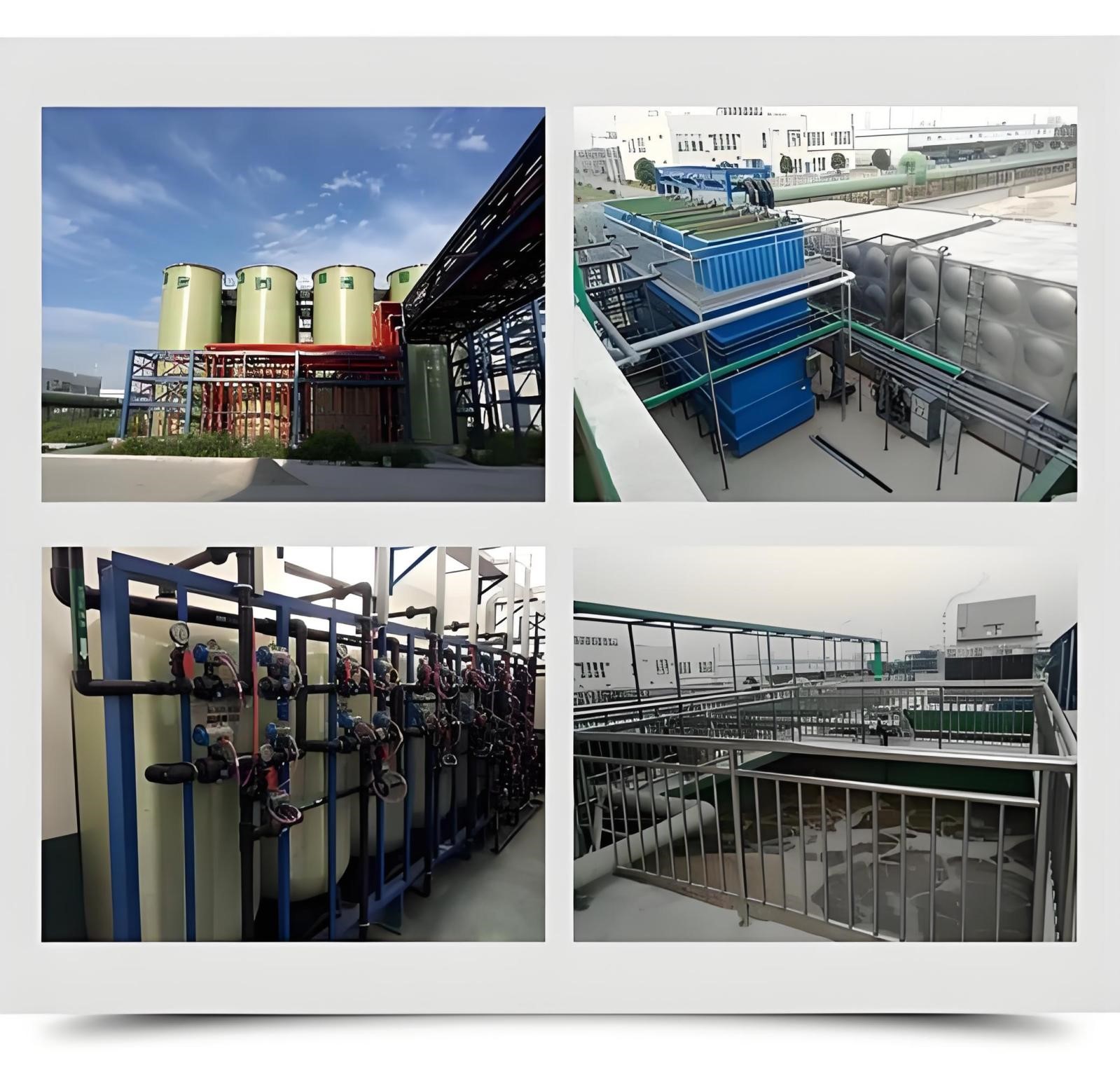
7、 Operation Management and maintenance
7-1 Daily Inspection and maintenance
Establish regular inspection system, check equipment,pipelines, valves and so on,find and deal
with potential problems in time.Keep the equipment clean, change the wearing parts regularly,
ensure the equipment in good working condition.
7-2 Water quality monitoring and analysis
Regular water quality monitoring, analysis of treatment effect,according to the monitoring results
adjust process parameters.
For the situation of excessive emissions, to quickly identify the causes and take measures to address.
7-3 Energy consumption and cost control
Pay attention to equipment energy consumption,take effective measures to reduce energy consumption.
At the same time, reasonable control of the dosage of chemicals,reduce the amount of sludge production,
and reduce operating costs.
7-4 Training and assessment
Strengthen the technical training of operators,improve their operational skills and the ability to deal
with unexpected problems.
Regular assessment of the operators to ensure that they can meet the requirements of the post.