Electronics industry, machinery manufacturing, light industry, etc... are to be widely used electroplating technology.
At present, there is a small and more electroplating industry,a slightly lower level of management, wastewater discharge
is a major problem.
There are many kinds of high toxic substances in electroplating wastewater,and its harmfulness is great.
Untreated electroplating wastewater discharged into rivers, ponds, infiltration into the ground,not only harm the environment,
and pollution of drinking water and industrial water.
Therefore,electroplating wastewater must be strictly controlled and properly treated.
2、Electroplating wastewater treatment equipment
methods and principles of the main categories
2-1. Used to adjust pH value
weak acid, weak alkali, strong acid, strong alkali, quicklime, etc.
2-2. Flocculating agents
polyaluminum chloride, polyaluminum ferric chloride, polyacrylamide, etc.
2-3. Regulating bacterial nutrition
disodium hydrogen phosphate, urea, etc
2-4. Disinfection and decolorization methods
sodium hypochlorite, ozone, etc
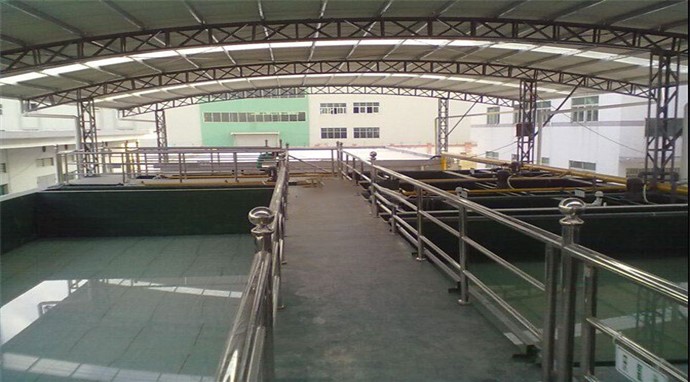
3、Electroplating process, source of wastewater
and water quality
3-1. Electroplating process
Is the process of electroplating metal onto the surface of a product through electrolysis.
Common plating methods include nickel plating, copper plating, chromium plating, zinc plating,cadmium plating,
lead plating, silver plating, tin plating,and gold plating.
3-2. The main source of wastewater is:
1. Plating cleaning water. About 80%.
2. Filter the rinsing water and waste plating solution.
3. The waste liquid discharged from the electroplating workshop due to running, emitting, dripping, and leaking.
3-3. The hazards of electroplating wastewater
In terms of its total amount, electroplating wastewater from industries such as papermaking, printing and dyeing,
chemical engineering, etc.
Has a small water volume and a narrow pollution surface.
However,due to the wide distribution of electroplating plants
and the variety of highly toxic substances contained in the wastewater,
its hazards are significant.
Untreated electroplating wastewater that meets standards can be discharged into rivers, ponds, and infiltrate underground,
which not only endangers the environment but also pollutes drinking and industrial water.
Electroplating wastewater contains heavy metal ions such as chromium, zinc, copper, cadmium, lead, nickel,
as well as highly toxic impurities such as acid and alkali cyanides.
Some are also highly toxic substances that cause cancer and distortion.
Therefore, they must be handled carefully to avoid harm to people.
4、Treatment Technology of electroplating
wastewater treatment equipment
The electroplating wastewater treatment equipment developed and produced by our company is based
on summarizing the operating experience of domestic and foreign domestic wastewater treatment devices,
combined with scientific and technological achievements and engineering practice:
Is a method of converting dissolved heavy metals in wastewater into insoluble heavy metal compounds,including
neutralization precipitation and sulfide precipitation.
4-2. Neutralization precipitation method
Alkali is added to wastewater containing heavy metals for neutralization reaction,resulting in the formation
of insoluble hydroxide precipitates for separation.
The neutralization precipitation method is simple to operate and is a commonly used method for treating wastewater.
Practice has proven that the following points
need to be noted during operation:
(1). After neutralization and precipitation,if the pH value in the wastewater is high,neutralization treatment
is required before discharge.
(2). There are often multiple heavy metals coexisting in wastewater.
When the wastewater contains amphoteric metals such as Zn, Pb, Sn, Al, etc.,the pH value is relatively high,
There may be a tendency for redissolution,so it is necessary to strictly control the pH value and implement
segmented precipitation.
(3). Some anions in wastewater,such as halogens, cyanide ions, and humic substances,may form complexes
with heavy metals, so pre-treatment is necessary before neutralization.
(4). Some particles are small and difficult to precipitate,so flocculants need to be added
to assist in precipitation generation.
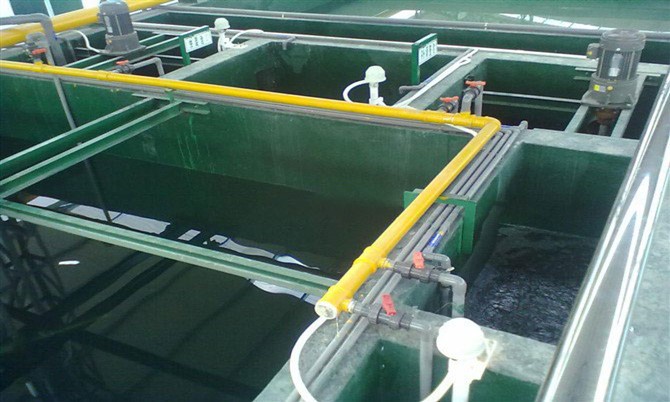
5、Other treatment technologies for electroplating
wastewater treatment:
electrolysis method);There are many treatment technologies for electroplating heavy metal wastewater,
treatment method,biological treatment technology (biological flocculation method, biological adsorption method,
biochemical method), plant remediation method, etc.
Among them, biotechnology is a technology with great development potential,with advantages such as low cost,
high efficiency, and no secondary pollution.
6、Reclaimed water system for electroplating
Physical and chemical disinfection processes can be used, as follows:
Source Water --->Regulating Tank --->Filtration Tank --->Disinfection Tank --->Storage Tank --->Discharge
When using residential sewage as the source of reclaimed water, a biochemical+disinfection process can be used
The specific steps are as follows: source water ->hydraulic screen ->regulating tank ->biochemical tank ->filtration tank
->disinfection tank ->water storage tank ->discharge of the above process facilities can be designed
according to the specific situation on site.