With the global emphasis on environmental protection and sustainable development,the electric vehicle market is rapidly rising.
The development of small household charging stations has become an inevitable trend,mainly due to the following reasons:
(1) The range of electric vehicles is limited,and home charging facilities allow car owners to conveniently charge at night or when the vehicle is idle,
eliminating "range anxiety",improving the user experience,and promoting the popularization of electric vehicles.
(2) The distribution of public charging stations is uneven, often resulting in problems such as queuing and equipment failure.
Home charging stations can provide exclusive and stable charging services for car owners, saving time and energy.
(3) From the perspective of energy strategy,small household charging stations can utilize nighttime off peak electricity prices for charging,
achieving "peak shaving and valley filling",optimizing grid load, improving energy utilization efficiency,
and promoting the transformation of energy structure towards clean energy.
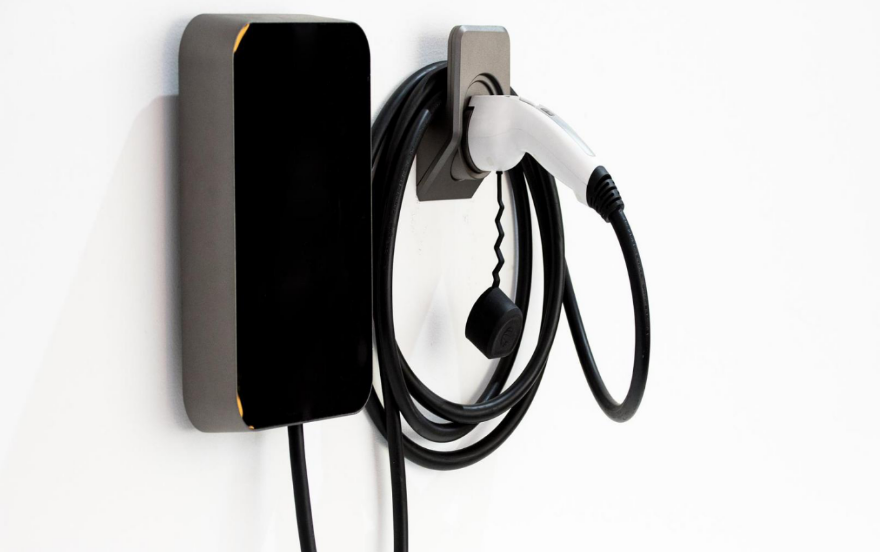
1、Technical principles
There are two main charging technologies for small household charging stations: AC and DC.
The AC charging station is connected to the mains power (usually 220V),and after rectification,filtering,power factor correction and other processes,
The voltage is adjusted by a transformer,and then rectified and filtered to obtain AC power suitable for charging electric vehicles,
Cooperating with the car charger to charge the battery,the control unit will adjust the output parameters based on the feedback information from the car charger.
DC charging stations are connected to the mains power supply and first rectified into high-voltage DC power,which is then passed through power conversion circuits
(such as DC-DC converters) Convert to low-voltage direct current to directly charge the battery, and the control unit communicates with the battery management system,
Accurately control the output voltage and current based on the battery status to ensure safe and efficient charging,
Home DC charging stations like Tesla can quickly replenish the vehicle's battery with high power.
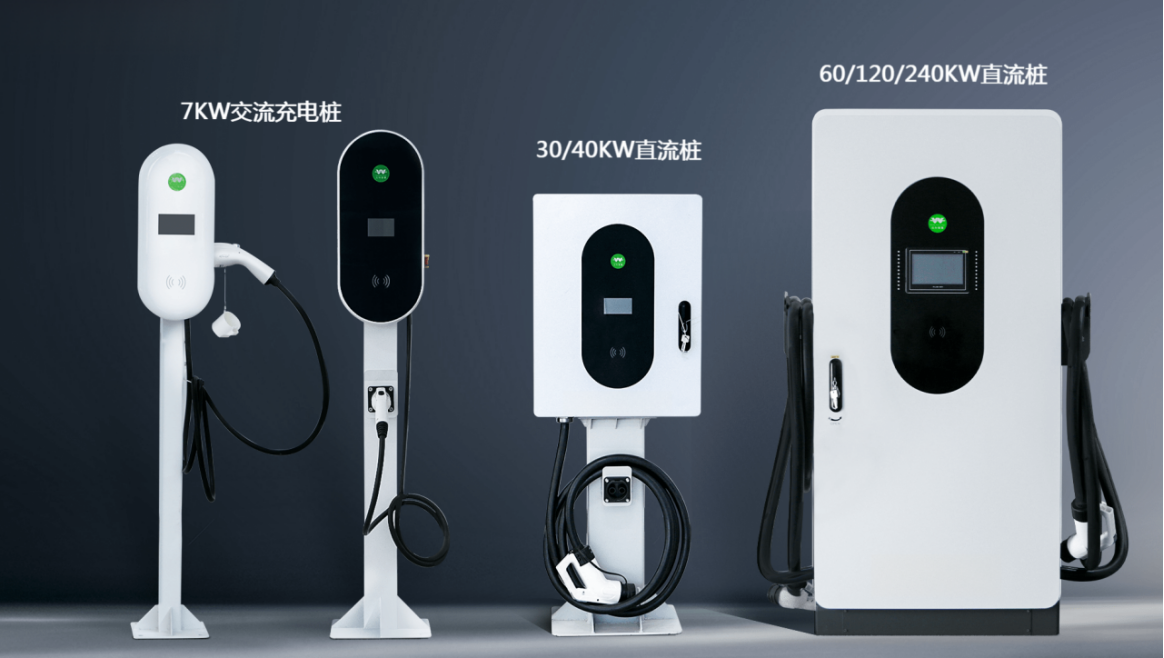
2, Implementation process
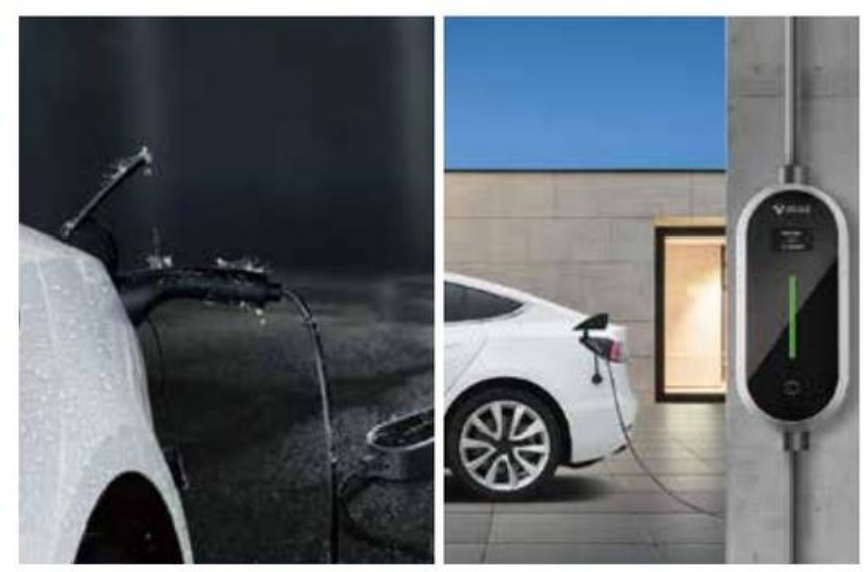
1. Planning and Preparation Stage
Firstly, it is necessary to evaluate user needs, including electric vehicle models,charging habits, etc.,
and determine the type and power of charging stations.
2. Conduct site survey
Considering the location of parking spaces, surrounding environment and distance from power sources, as well as the calculation of power capacity,
if it is insufficient,an application for capacity expansion needs to be made.Then purchase suitable charging station equipment.
3. During installation and construction
For wall mounted systems, a sturdy bracket should be installed,while for floor standing systems, a concrete foundation should be poured,
and then cables should be laid and protected,
4. Equipment installation and wiring
And carefully inspect. In the debugging and acceptance process,the functions of the charging station are first tested,such as display screen display,
charging gun insertion and removal Charging parameter settings, etc., followed by safety testing, including insulation resistance,
grounding resistance,and leakage protection testing;
5. Qualified acceptance
After passing the qualification, deliver to the user and provide usage training.
3、 Applicable scenarios
1. Residential communities:
Whether it is underground parking lots in high-rise residential communities or ground parking spaces
in multi story residential areas,small household charging piles can be installed.For example,office workers park their electric cars in the parking space
after returning home from work,Connect the charging station, use the nighttime rest time to charge, and travel on full charge the next day.
In some large residential communities, centralized charging pile management areas can also be set up for unified maintenance
and management,At the same time,it can also improve the efficiency of charging stations.
2. Villas and detached houses:
These types of houses often have independent courtyards and garages.
Owners can install wall mounted charging stations in the garage,or set up beautiful floor standing charging stations in the courtyard.
For example, when villa owners have ample sunlight during the day,by utilizing solar power generation systems to charge electric vehicles,
excess electricity can also be stored for use by other household appliances.When it is necessary to go out,even if the solar power generation is insufficient,
the electricity can be quickly replenished through mains power.
3. Rural self built houses:
The surrounding space of rural self built houses is spacious and easy to park.
Farmers drive electric cars back and forth during the busy farming season between farmland and residential areas,vehicles can be charged in one's
own yard after returning home,without affecting farming activities the next day.Moreover, the electricity cost in rural areas is relatively low,and the use
of small household charging stations can further reduce farmers' expenses Promote the promotion and application of electric vehicles in rural areas by reducing costs.
4、 Company Products
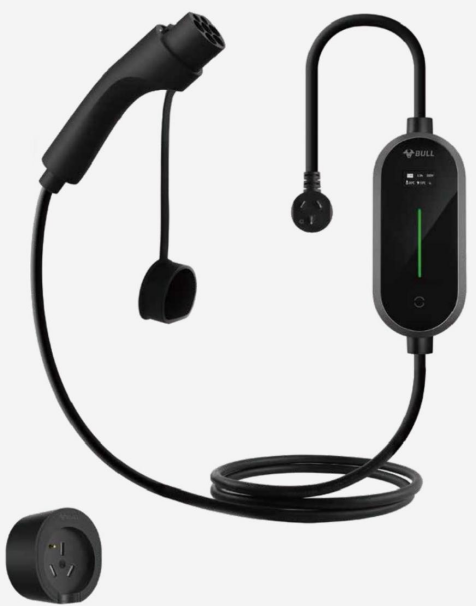
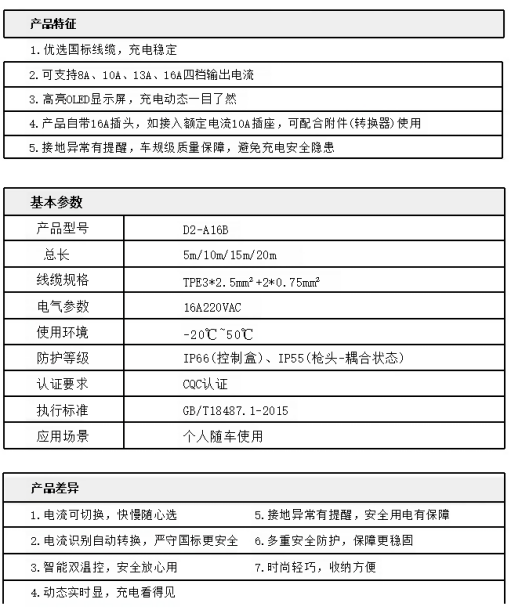
1. Convenient household AC charging station
Product features:
-Lightweight and portable, with a small size and light weight,it is convenient to carry and store, and easy to transfer and use between different scenarios.
-The power is usually between 1.5kW and 3.5kW, suitable for emergency charging or temporary power replenishment in areas with inadequate charging facilities.
-Equipped with basic protection functions such as overvoltage, overcurrent, and leakage protection to ensure charging safety.
-Adopting a foldable design, the charging gun cable can be stored without taking up too much space, making it convenient to place in the trunk of the vehicle.
Applicable scenarios:
-During long-distance self driving trips,if there are no public charging stations nearby,you can use them to connect to a suitable power outlet
for emergency charging of the vehicle.
-In rural areas or old residential areas, charging facilities are scarce, and car owners can use them to charge their cars at places with power sources
when visiting relatives and friends,Enhance the flexibility and convenience of using electric vehicles.
2. Basic household AC charging station
Product features:
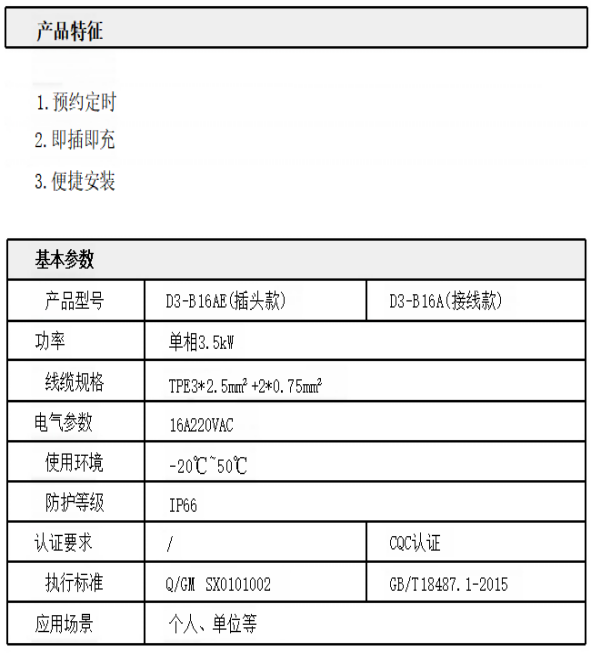
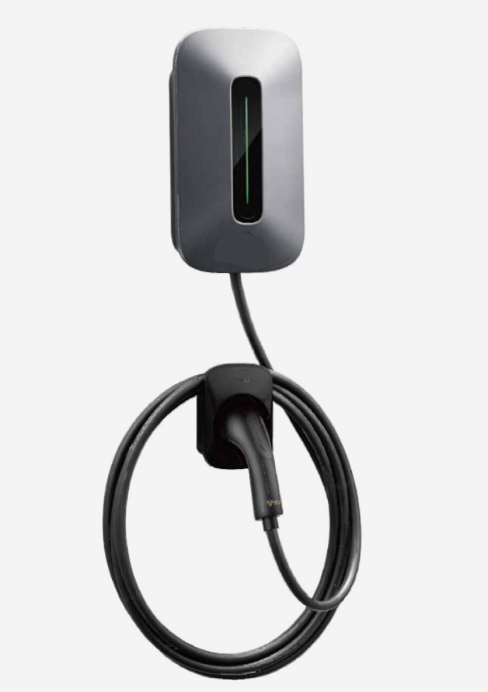
-The power is generally between 3.5kW and 7kW,meeting the daily slow charging needs of ordinary households.
-The design is simple and practical, the shell is sturdy and durable, and can resist environmental factors such as daily dust and moisture.
-The operation panel is simple and intuitive,easy to operate,and can clearly display information such as charging status and battery level,
Convenient for users to perform basic operations such as charging start and stop.
Applicable scenarios:
-Ordinary residential parking spaces are particularly suitable for car owners with short daily commuting distances and low charging speed requirements.
In old residential areas, due to power capacity limitations, they can operate without increasing the power load excessively,
Ensure that car owners charge their vehicles at night and use them normally the next day. 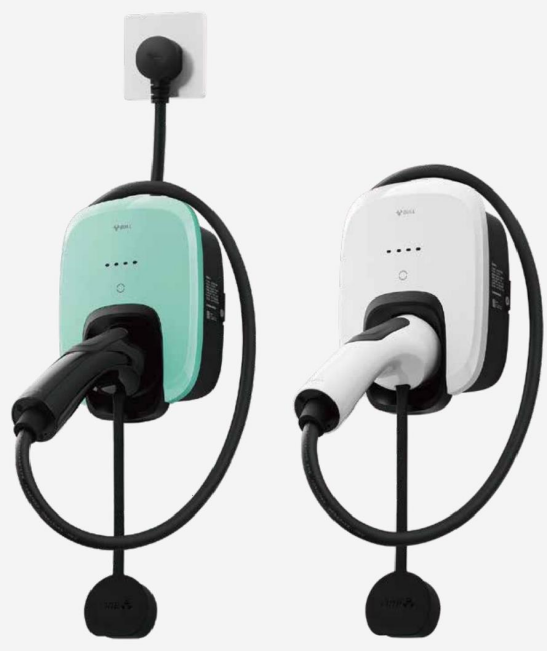
3. Smart home AC charging station
Product features:
-The power is usually between 7kW and 11kW,and intelligent upgrades are achieved on the basic AC charging pile function.
-Equipped with intelligent networking capabilities, it can be connected to mobile apps via Wi Fi or 4G networks to remotely monitor charging status
Remote start and stop charging operation.
-Support peak valley electricity pricing to set charging plans, allowing users to optimize charging costs based on local electricity pricing policies.
-Equipped with charging data analysis function, it can record and analyze charging power, duration, power and other data, providing users with detailed charging reports,
Assist users in understanding their vehicle's electricity usage and charging habits.
Applicable scenarios:
-Newly built residential communities or areas with certain guaranteed power capacity are suitable for users who have high requirements
for intelligent charging management,Like technology enthusiasts and energy-saving households. For example,office workers can start charging through a mobile app
before leaving work,You can start charging at home and save costs by utilizing peak and off peak electricity prices.
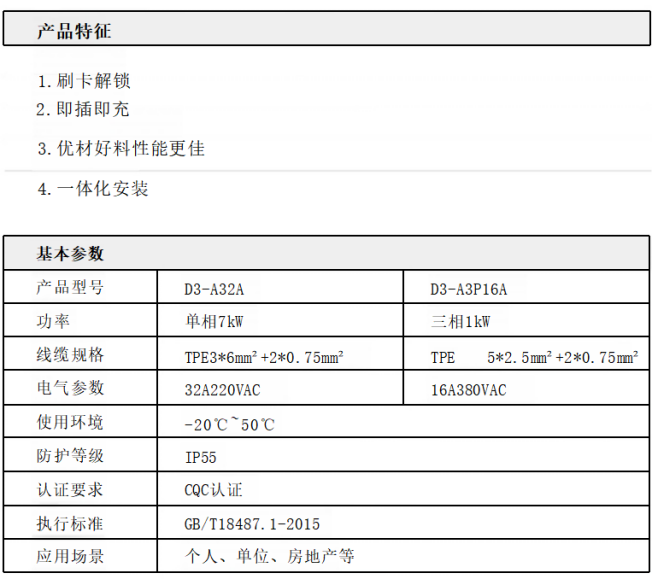
4. High speed household DC charging station
Product features:
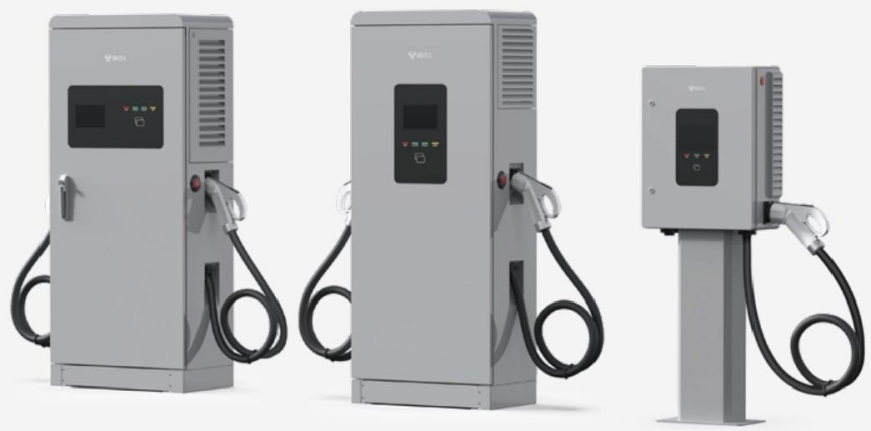
-High power, up to 30kW-120kW or even higher, designed specifically for users pursuing fast charging.
-By utilizing advanced DC charging technology, the mains power is directly converted into DC power suitable for electric vehicle batteries,
significantly reducing charging time.
-The shell focuses on heat dissipation design to ensure the stability and safety of the device during high-power operation.
-The operation panel is equipped with a large screen display, which not only displays regular charging information, but also shows the battery health status
Detailed information such as estimated charging time, making it convenient for users to grasp the charging progress.
Applicable scenarios:
-Suitable for scenarios with high power capacity support and urgent demand for charging speed,
Places with independent power supply and spacious space, such as villas and detached houses.
For car owners who frequently travel long distances or have tight schedules,Capable of replenishing a large amount of power to vehicles
in a short period of time,meeting the needs of fast travel.
Before the villa owner travels long distances,It can be used to quickly charge the vehicle battery,reduce waiting time,and improve travel efficiency.
5、Featured Services
One stop installation service
Our professional team provides comprehensive services from consultation,survey to installation and commissioning,
Customize solutions according to user needs to ensure installation quality and safety,and closely communicate with users during the process.
After sales guarantee service
There is a long warranty period, with free maintenance and replacement within the warranty period,and paid services outside of the warranty period with
quick response;Real time monitoring of charging station status through remote monitoring system,automatic warning and notification to users
and after-sales service in case of abnormalities;Regular inspection and maintenance.
Identify potential hazards and ensure the long-term stable operation of charging stations.
Intelligent charging management services
Allow users to save costs by charging during off peak and off peak electricity prices,
It is also possible to schedule charging times and manage queues,while viewing charging records and data analysis
through a mobile app to achieve intelligent charging.