Against the backdrop of global climate change and the increasing depletion of fossil fuels, the development and utilization of renewable energy are receiving
increasing attention from the international community,Vigorously developing renewable energy has become a consensus among countries around the world.
As an important component of renewable energy, wind power generation has the advantages of short construction period, flexible installation mode,high reliability,
simple operation and maintenance, and small footprint.
In recent years,China has continuously introduced a series of encouragement and preferential policies,vigorously supporting the construction of wind power projects,
and the wind power market has developed rapidly,And gradually shift from coal-fired power generation to environmentally friendly wind power generation.
Although wind power generation has many advantages,it also has problems such as intermittency and volatility.
In order to solve these problems and improve the reliability and stability of wind power generation systems, energy storage technology has emerged.
Energy storage technology can store the excess electricity generated by wind power during restricted periods and output it during non restricted periods,
thereby reducing wind power curtailment and increasing electricity revenue.
At the same time,energy storage devices can also bring benefits to wind power projects by reducing grid assessment costs
and participating in electricity market transactions.
In terms of national policies, both central and local governments have introduced policies to support or even require wind farms to support energy storage.
These policies can be divided into four categories: general encouragement,subsidies,priority construction,and mandatory allocation.
Although most policies currently remain at the stage of general encouragement and priority construction,and there are few policies that provide
substantial subsidies for wind farm energy storage,the industry generally believes that with technological progress and cost reduction,energy storage
will become an indispensable part of wind power development.
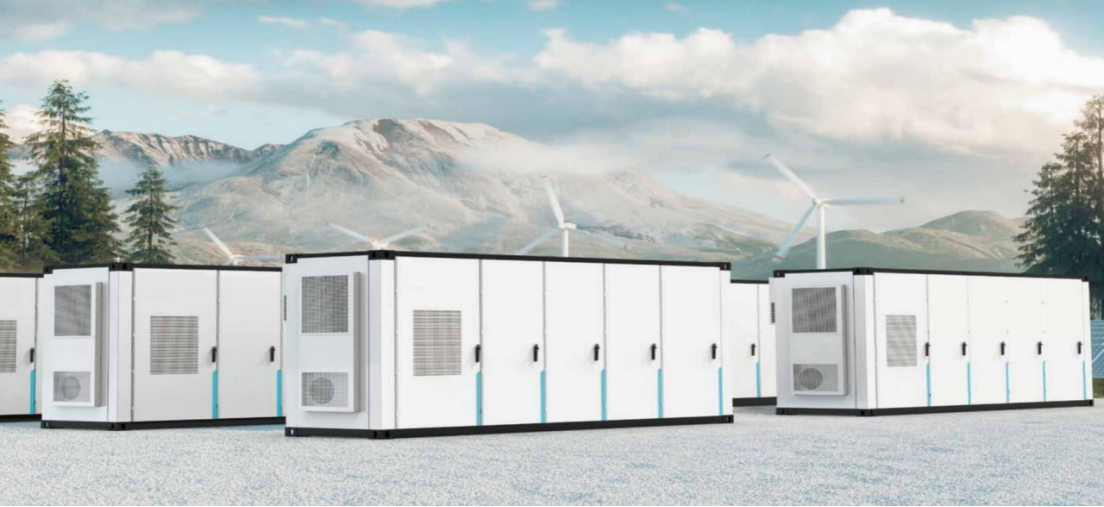

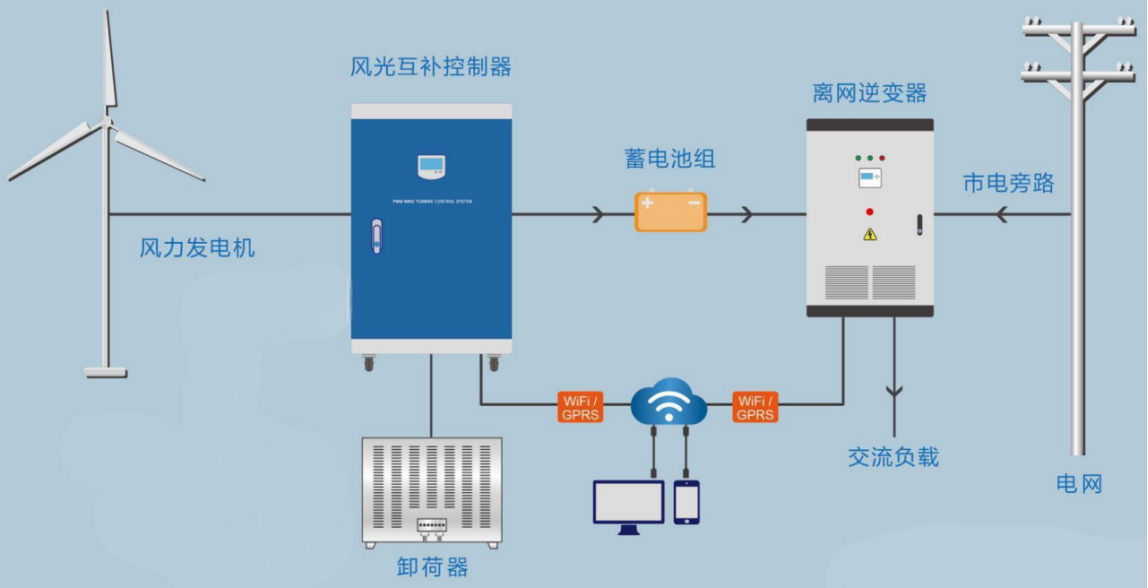
Wind energy storage is a technology that utilizes wind energy for energy storage,Its working principle mainly includes four links:
wind energy collection, energy storage device,energy storage control system,and electric energy utilization:
1. Wind energy harvesting:
Converting wind energy into electrical energy through wind turbines.
Wind turbines are typically composed of rotating wind turbines and generators,
When the wind drives the wind turbine to rotate, the generator will convert mechanical energy into electrical energy.
2. Energy storage device:
Transport the electrical energy generated by wind turbines to the energy storage device for storage.
Energy storage devices typically use batteries,supercapacitors,or devices used to generate compressed air.
These energy storage devices can effectively store electrical energy for release and utilization when needed.
3. Energy storage control system:
Controls and manages the inflow and outflow of electrical energy,as well as the charging
and discharging process of energy storage devices.
The charging and discharging of energy storage devices can be regulated to achieve the most efficient energy utilization and storage.
4. Electricity utilization:
When needed,convert the electricity stored in the energy storage device into electricity and supply it to the power system
Or use other electrical equipment.
This can greatly improve the reliability and sustainability of wind power generation,enable wind energy to be converted into electrical energy supply at any time,
regardless of whether wind energy exists or not.
2、 Core value of wind energy storage
The core value of wind energy storage technology is mainly reflected in the following aspects:
1. Improve wind energy utilization:
Through energy storage technology,excess electricity generated by wind power during power rationing periods can be stored,
And output during non restricted periods to reduce wind power curtailment and improve wind energy utilization efficiency.
2. Enhance the stability of the power system:
Wind power generation has intermittency and volatility,which can have an impact on the stability of the power system.
Through energy storage technology, the output power of wind power generation can be smoothed, enhancing the stability of the power system.
3. Promoting the development of clean energy:
Wind energy storage technology can help promote the development of clean energy and reduce dependence on fossil fuels,Reduce greenhouse gas emissions
and achieve sustainable development.
4. Creating economic benefits:
Energy storage devices can contribute to wind power projects by reducing grid assessment costs,participating in electricity market transactions,
and other means Bring profits. Meanwhile, with the continuous advancement of energy storage technology and the decrease in costs,the economic benefits of
wind energy storage projects will also continue to improve.
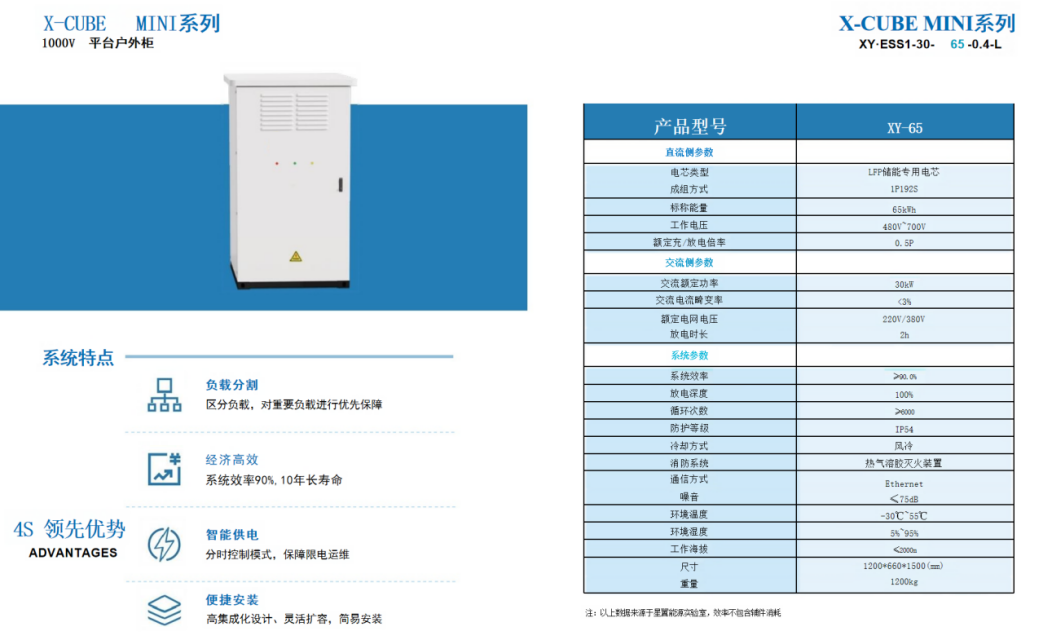
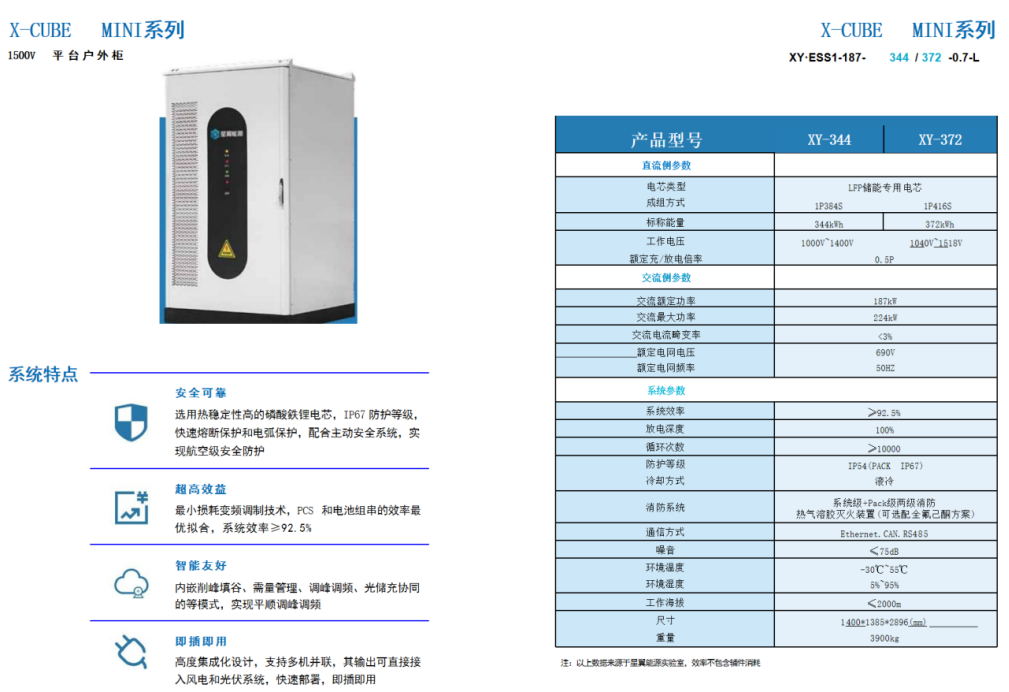
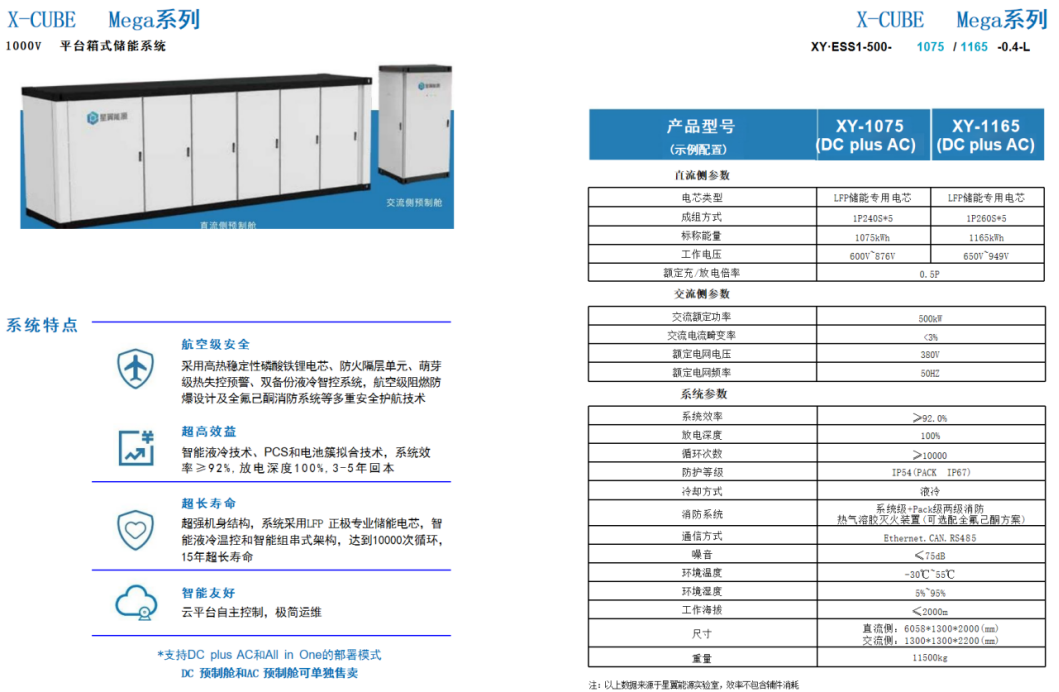
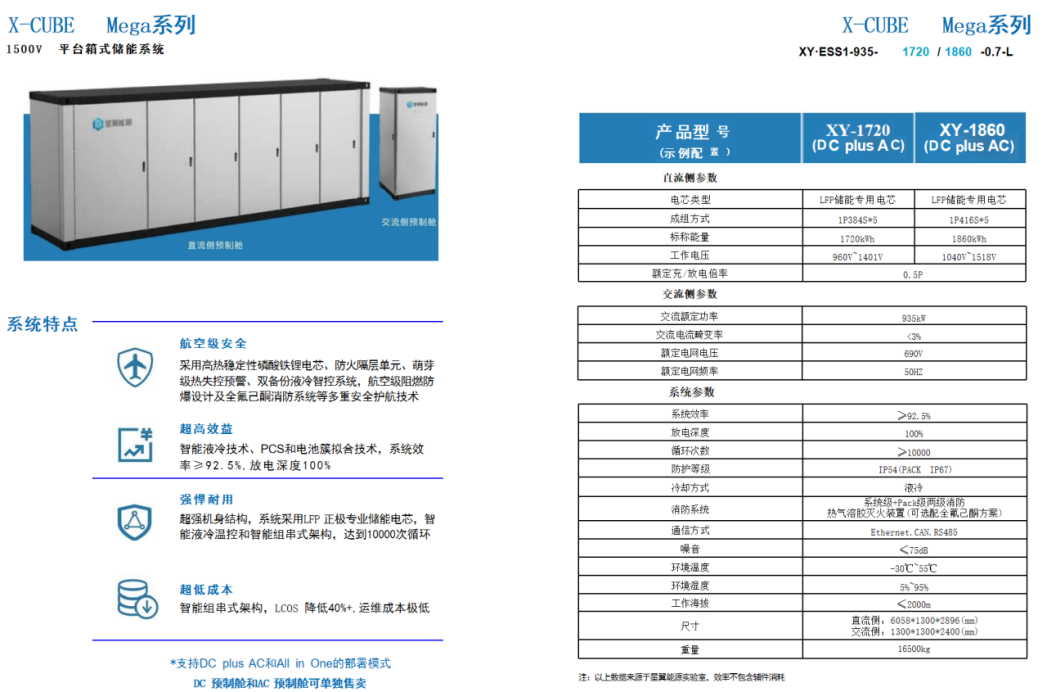
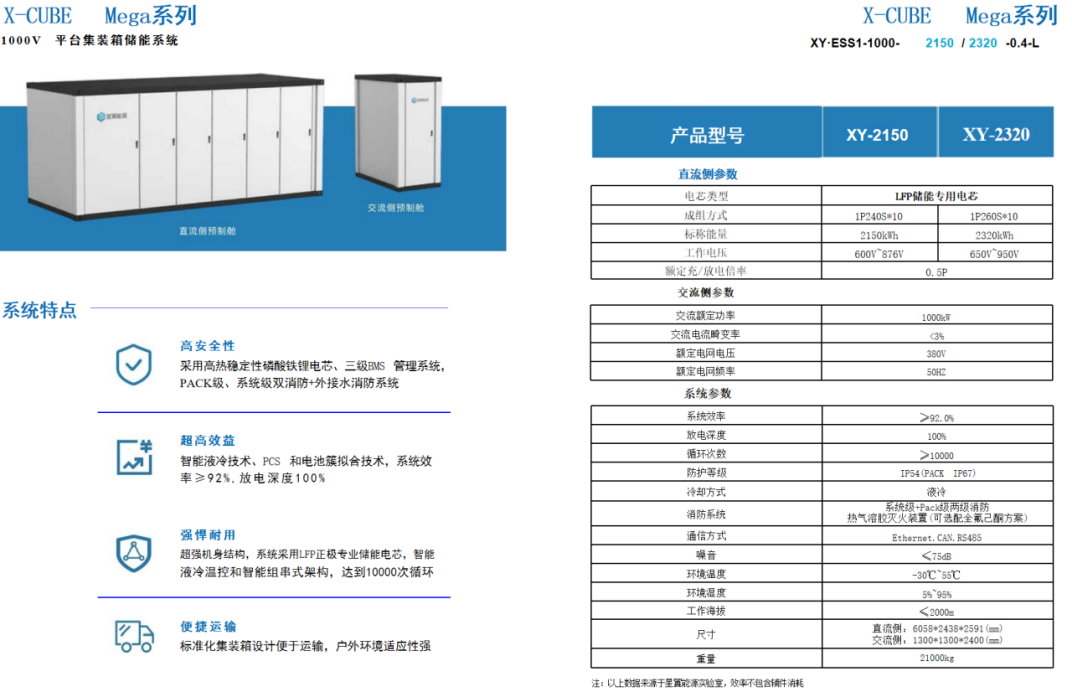
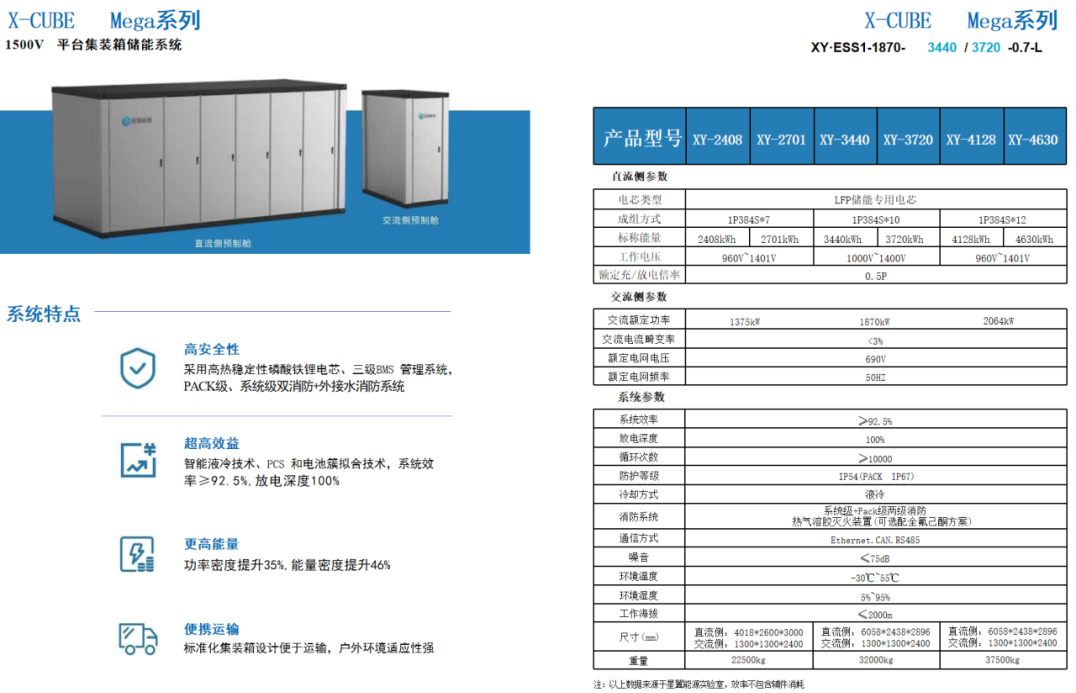
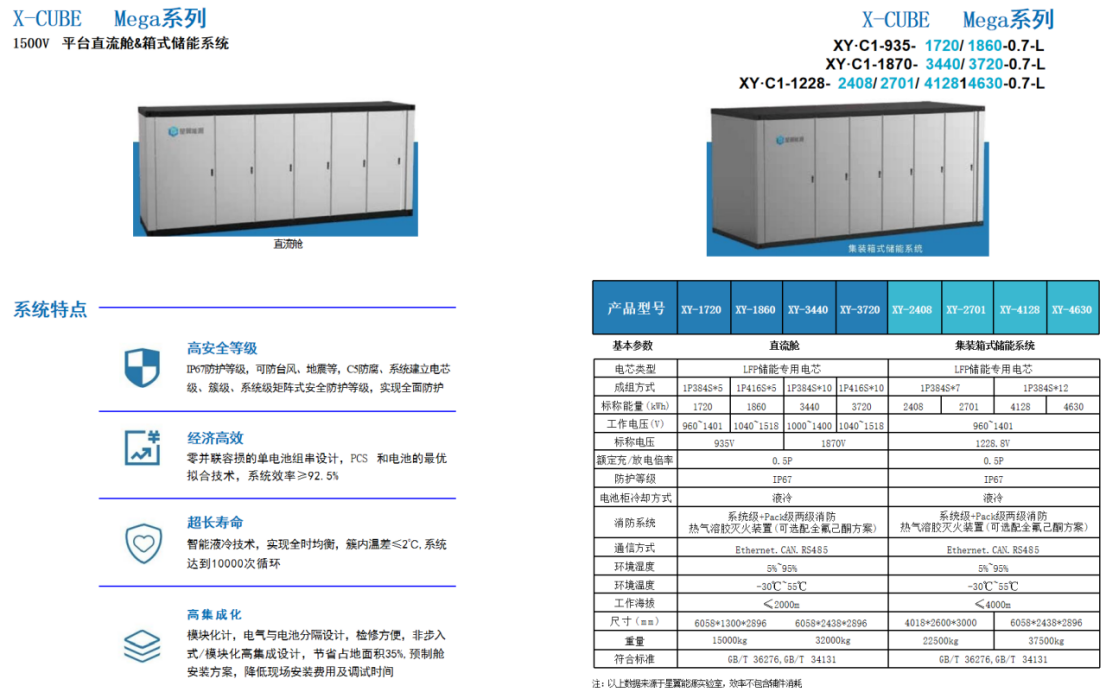
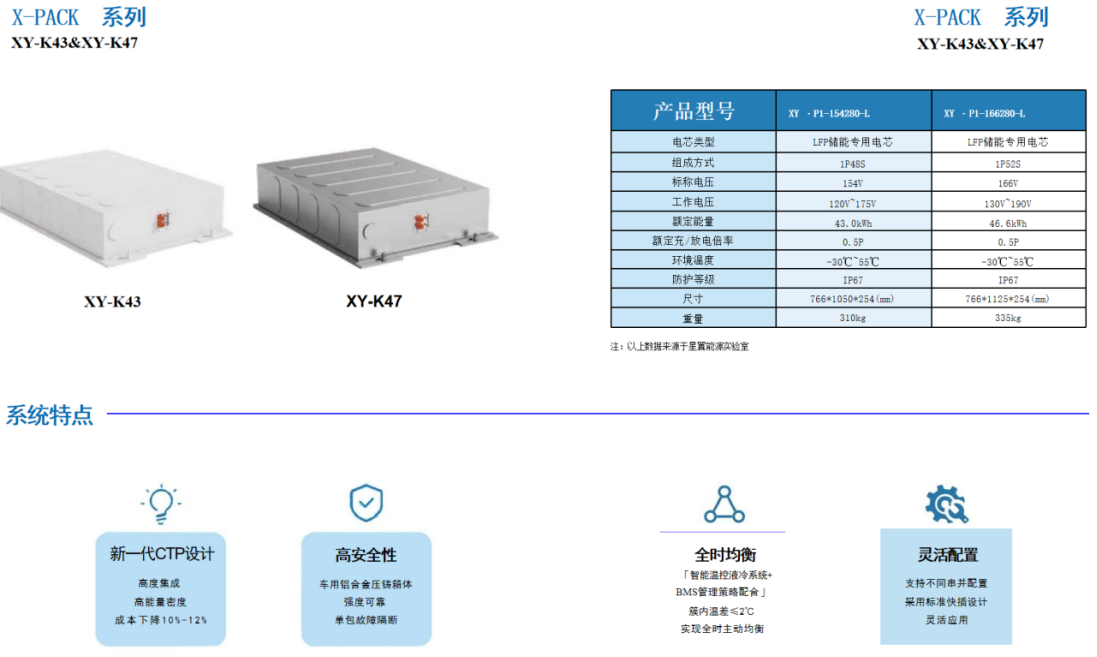
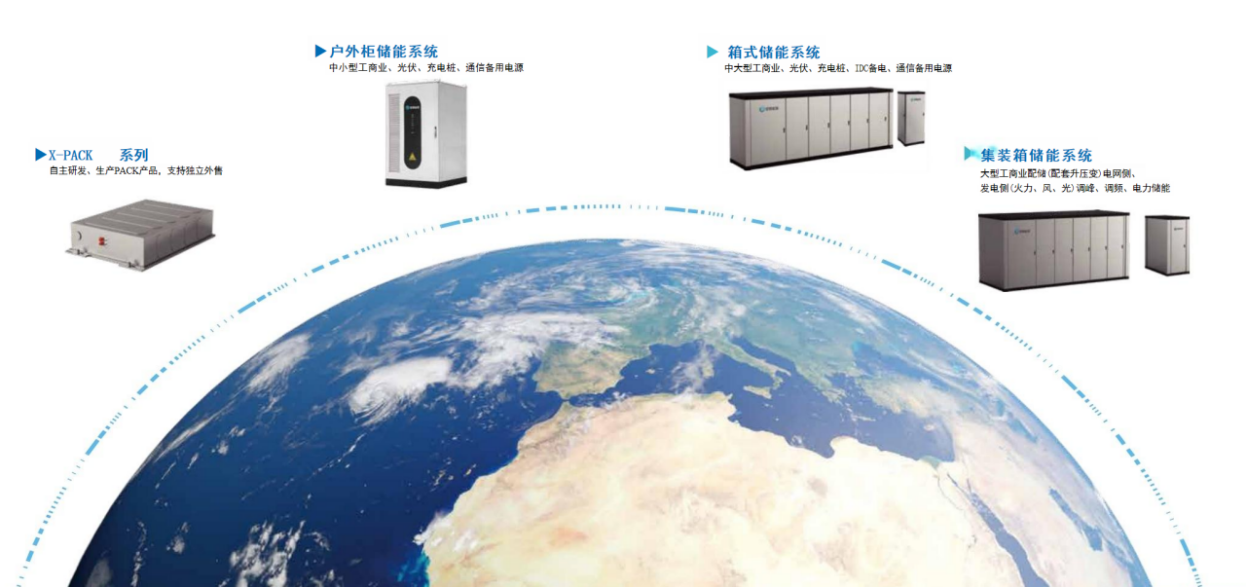
3、 Layout of Wind Energy Storage Product Line

The layout of the wind energy storage product line mainly includes energy storage devices, energy storage control systems,
and related supporting facilities.


4、 Implementation process of wind energy storage project
The implementation process of wind energy storage projects mainly includes project site selection, equipment selection, system integration,
installation and commissioning,and operation and maintenance.
1. Project site selection:
Project site selection is the first step in the implementation of wind energy storage projects, which requires consideration of the abundance of wind
energy resources Factors such as grid access, availability of land resources, and environmental impact.
The rationality of site selection will directly affect the power generation efficiency and economic benefits of wind energy storage systems.
2. Equipment selection:
During the equipment selection stage,it is necessary to select suitable energy storage devices based on project requirements
and technical characteristics Control system and related supporting facilities.
Equipment selection requires comprehensive consideration of factors such as equipment performance, cost,and reliability,
Ensure that the selected equipment meets the project requirements.
3. System integration:
System integration is the process of integrating selected devices into a complete system to achieve energy storage devices Coordinate the operation
of control systems and related supporting facilities. System integration needs to comply with relevant standards and specifications,
Ensure the security, reliability, and stability of the system.
4. Installation and commissioning:
Installation and commissioning are key steps in the implementation of wind energy storage projects,requiring the installation and commissioning
of selected equipment,Ensure that the equipment can operate normally and meet the design requirements.
During the installation and debugging process,attention should be paid to safety issues to prevent accidents from occurring.
5. Operation and maintenance:
Operation and maintenance are important guarantees for the long-term stable operation of wind energy storage projects.
Regular maintenance and upkeep of the equipment are required,Promptly identify and address any malfunctions to ensure long-term stable operation
and maximum efficiency of the equipment.
5、 Wind energy storage characteristic services
The characteristic services provided by wind energy storage projects mainly include the following aspects:
1. Customized solutions:
Provide customized wind energy storage solutions based on the specific needs and project characteristics of customers.
Customized services including equipment selection, system integration, installation and debugging to ensure that the project meets customer needs.
2. Intelligent monitoring and operation:
Utilizing advanced intelligent monitoring technology to monitor and analyze the real-time operation status of wind energy storage systems.
Through intelligent monitoring systems, faults can be detected and resolved in a timely manner, improving the reliability and stability of the system.
At the same time, provide intelligent operation and maintenance services, reduce operation and maintenance costs,and improve operation and maintenance efficiency.
3. Energy Management and Optimization:
Provide energy management and optimization services by collecting and analyzing energy data from wind energy storage systems,
Propose optimization plans for energy management.
By optimizing energy allocation and scheduling strategies, energy utilization efficiency can be improved and energy costs can be reduced.
4. Training and technical support:
Provide professional training and technical support services to customers.Including equipment operation training content such as system maintenance training.
Helps customers better master the skills of using and maintaining wind energy storage systems.
At the same time, we provide technical support services to help customers solve technical problems and offer technical consulting services.
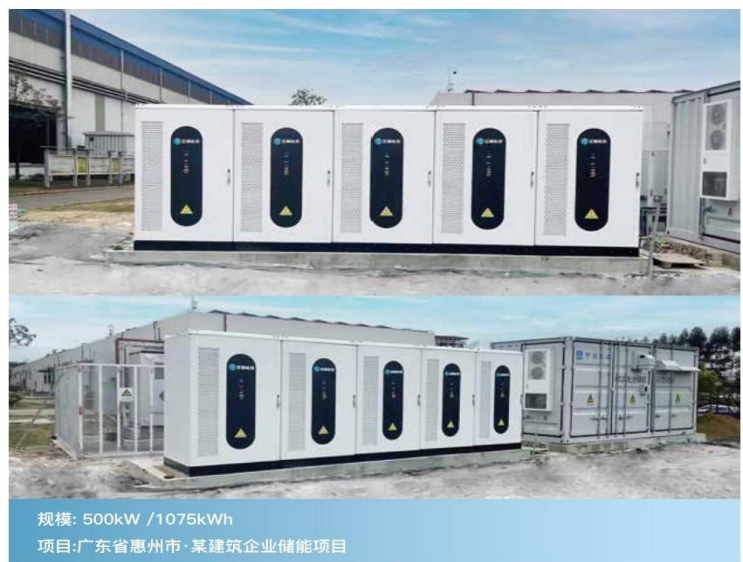
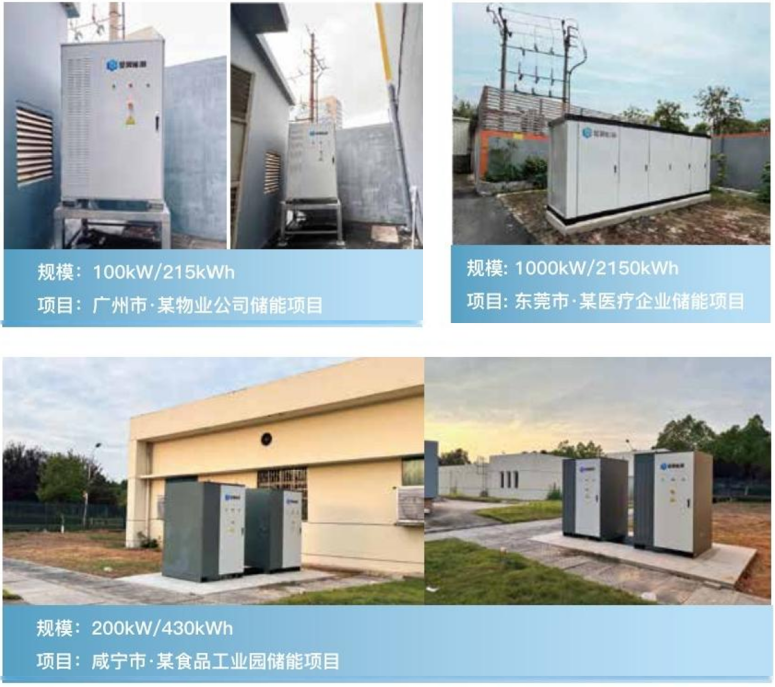
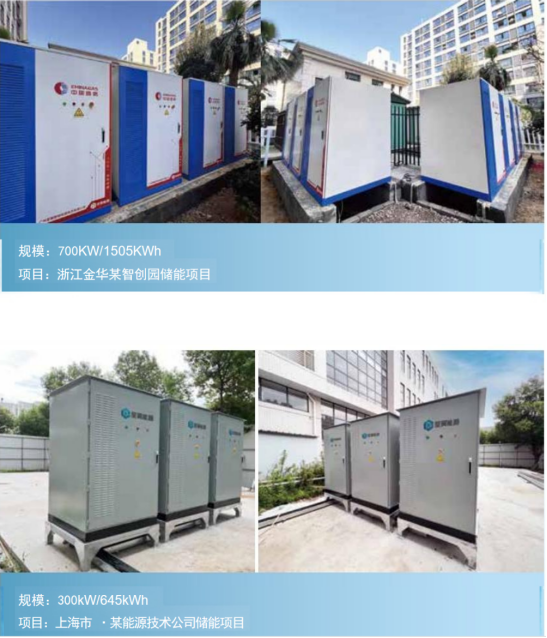
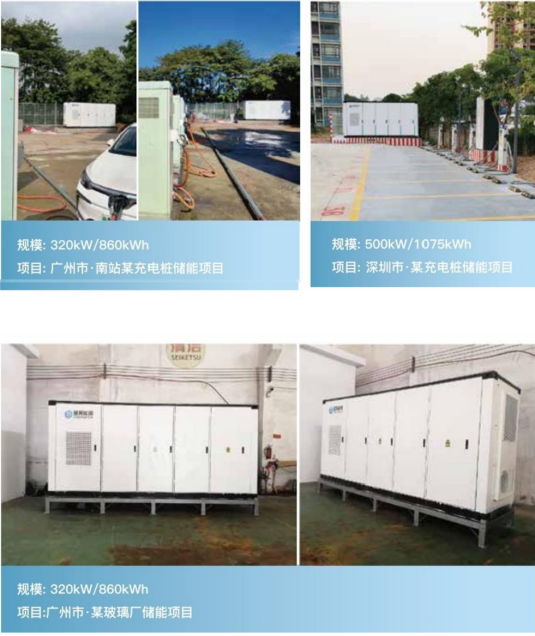
6、 Real case study of wind energy storage