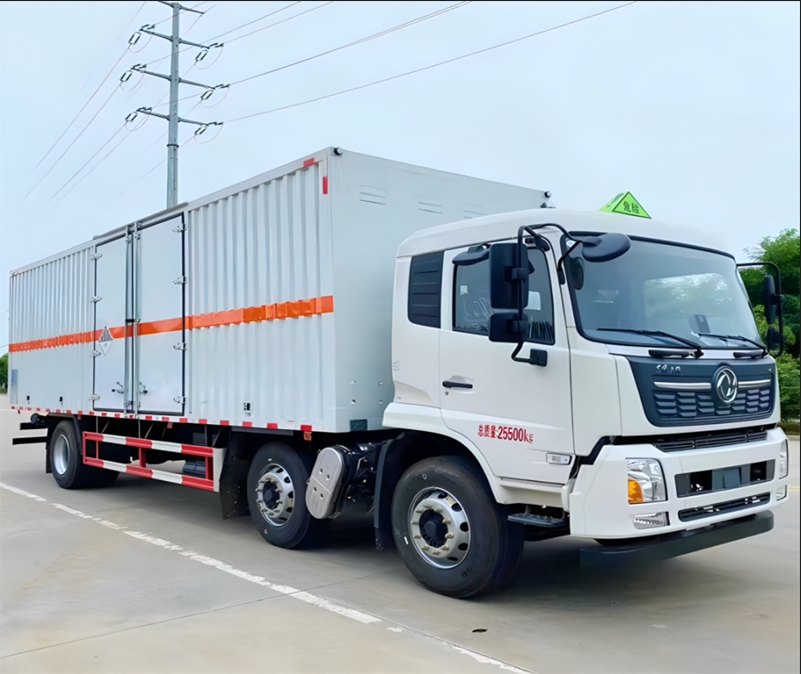
Industrial
solid waste disposal methods:
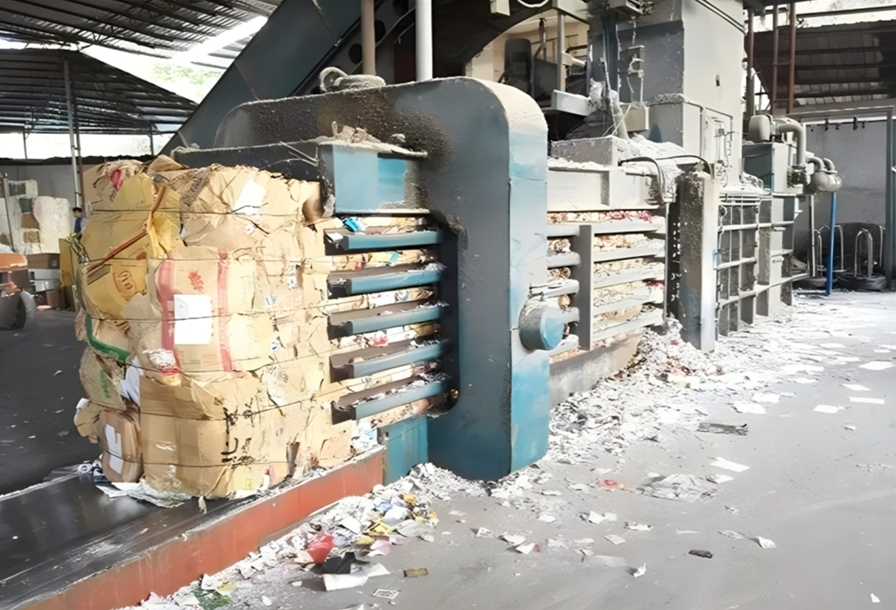
compaction technology
Compaction is a pre-treatment technology that reduces the volume of waste,lowers transportation costs,
and extends landfill life.
Compaction is a commonly used pre-treatment method for solid waste,such as cars, cans, plastic bottles, etc.
It is suitable for compacting solid waste to reduce volume,but not suitable for compaction.
Some waste that may cause operational problems, such as tar, sludge,or liquid materials,
are generally not suitable for compaction treatment.
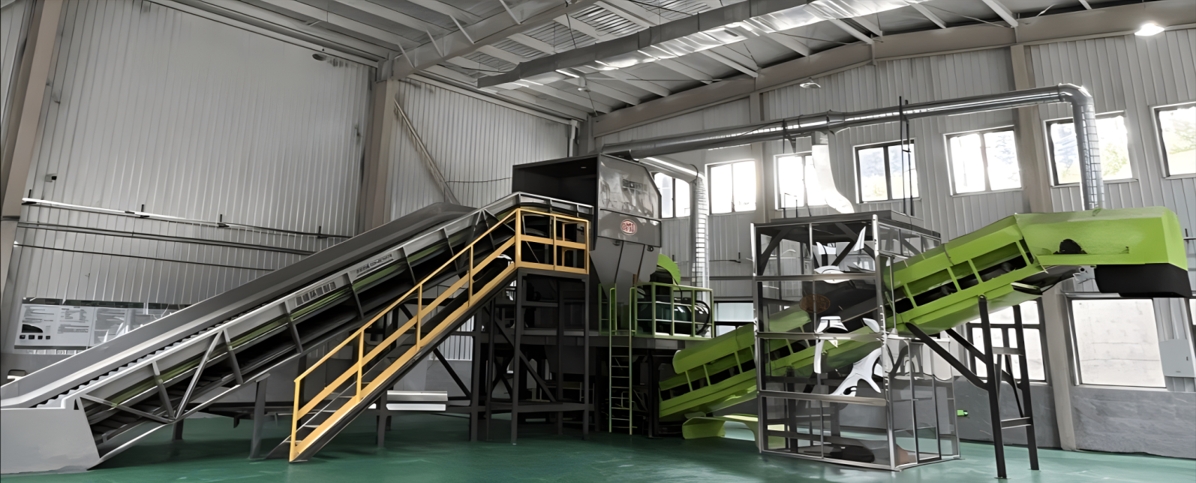
Crushing technology
In order to reduce the appearance of waste entering incinerators, landfills, composting systems, etc.,
it is necessary to crush solid waste in advance.
The waste that has been crushed is not only uniform in size and texture due to the elimination of large gaps,
but also compacted during the landfill process.
There are many methods for crushing solid waste, mainly including impact crushing,shear crushing,
extrusion crushing, friction crushing,etc...
In addition, there are proprietary low-temperature crushing and mixed crushing.
The most widely used and effective solid waste crusher is the shear crusher.
For landfill and compost waste, the use of a spiral roller crusher is more effective.
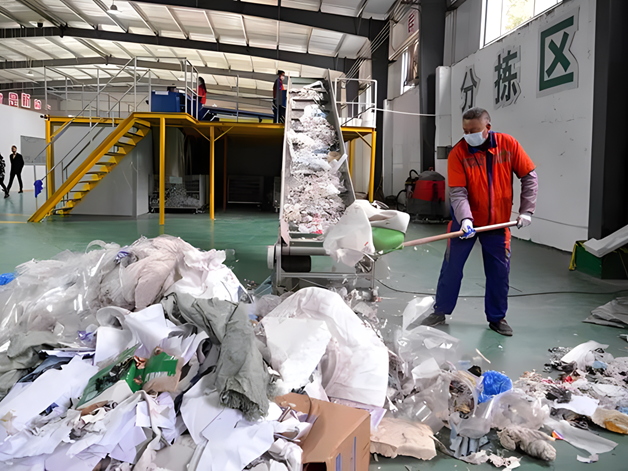
Sorting technology
Solid waste sorting is an important means of realizing the resource utilization and reduction of solid waste.
Through sorting, useful waste is fully selected and utilized,
while harmful waste is fully separated.
Another method is to separate waste of different particle sizes,and the basic principle of sorting is to utilize the differences in certain properties of the materials to separate them.
For example, utilizing the magnetic and non-magnetic differences in waste for separation;
Separate using differences in particle size; Using the difference in specific gravity for separation, etc.
According to different properties, various machines can be designed and manufactured to sort solid waste,
including manual sorting, screening, gravity sorting, magnetic sorting, eddy current sorting, optical sorting, etc
Curing treatment technology
Solidification technology is a harmless treatment process that involves adding solidified substrates
to waste to fix or contain hazardous solid waste in inert solidified substrates.
The treated solidified products should have good impermeability,good mechanical properties,
leaching resistance, dry wet resistance, and freeze-thaw resistance.
Solidification treatment can be divided into sedimentation solidification,asphalt solidification,
glass solidification,and gel solidification according to the different solidified substrates.
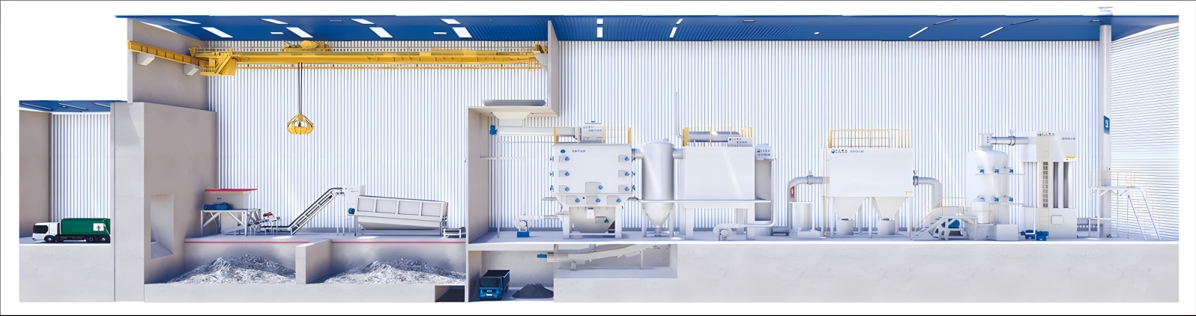
Incineration
and pyrolysis technology
Incineration is a comprehensive process of high-temperature decomposition and deep oxidation of solid waste,
which has the advantage of decomposing a large amount of harmful waste into harmless substances.
Due to the increasing proportion of combustibles in solid waste,the use of incineration to treat solid waste and utilize its thermal energy has become a development trend.
With this treatment method, solid waste occupies less land and has a large processing capacity.
In order to protect the environment,incineration plants are often located in large cities with over 100000 people
and equipped with energy recovery systems.
Due to land scarcity in Japan, the use of incineration methods has gradually increased.
The heat energy obtained from incineration can be used for power generation,
and the heat produced by incinerators can be used for heating residents
and maintaining greenhouse temperatures.
Currently, Japan and Switzerland incinerate over 65% of urban waste annually to regenerate energy.
However, the incineration method also has drawbacks, such as high investment, secondary pollution caused
by smoke exhaust during the incineration process, and severe equipment corrosion.
Pyrolysis is the process of heating organic matter at high temperatures (1000 ℃ -1200 ℃) under anaerobic
or hypoxic conditions to decompose it into three types of products: gas, liquid, and solid.
Compared with incineration, pyrolysis is a more promising treatment method.
Its significant advantage is that it requires less infrastructure investment,and the gas produced after
pyrolysis can be used as fuel.
Biological processing technology
Biological treatment technology is the use of microorganisms
to decompose organic solid waste and render it harmless.
It can convert organic solid waste into energy, food, feed, and fertilizer,
and can also be used to extract metals from waste and residue.
It is an effective technical method for the resource utilization of solidified waste.
Currently, it is widely used in composting, biogas production,
waste cellulose sugar production, waste fiber feed production, and biological leaching.
Solid waste treatment, also known as solid waste treatment,usually refers to the process of converting
solid waste into materials suitable for transportation,storage, utilization, or disposal through physical, chemical,
biological, physicochemical, and biochemical methods.
The goal of solid waste treatment is to achieve harmlessness,
reduction, and resource utilization.
Development of solid waste treatment:
China's energy conservation and environmental protection industry ranks among the top in
strategic emerging industries,with strong policy support.
It is expected that during the 12th Five Year Plan period,investment in the environmental protection industry will
reach 3.1 trillion yuan.
Key environmental investment projects involve solid waste treatment,desulfurization and denitrification,
urban sewage, sludge, industrial wastewater, etc.
The Construction of Industrial Solid Waste Comprehensive Utilization Bases "points out that by the end of
the 12th Five Year Plan,the comprehensive utilization rate of industrial solid waste in pilot areas will increase
by 10-12 percentage points on the basis of 2010,and a number of unique industrial solid waste comprehensive
utilization bases will be built,forming a complete policy system and promotion mechanism for industrial solid
waste comprehensive utilization,and promoting the leapfrog development of industrial solid waste comprehensive
utilization nationwide.
The solid waste treatment industry in our country is facing good opportunities for industrial development.