We specialize in providing high-purity quartz sand for the semiconductor chip field,with high purity and stable performance,providing a solid material foundation for your chip manufacturing.
We
have abundant high-purity quartz mineral resources and high-precision
extraction and processing technologies in quartz sand processing and
production.
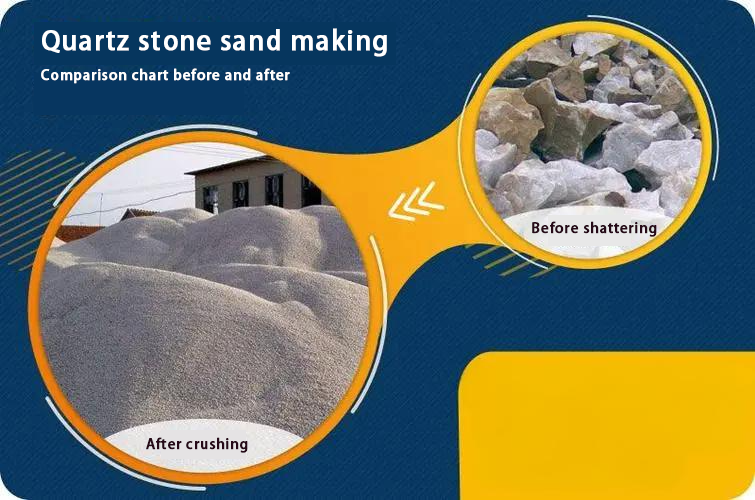
Processing quartz ore into quartz sand
In the semiconductor field, the high-purity quartz sand we provide is mainly used to produce standard
semiconductor grade and ultra high purity semiconductor grade quartz tubes and quartz rods.
Processing quartz sand into silicon wafers
Application of quartz sand in the field of chips
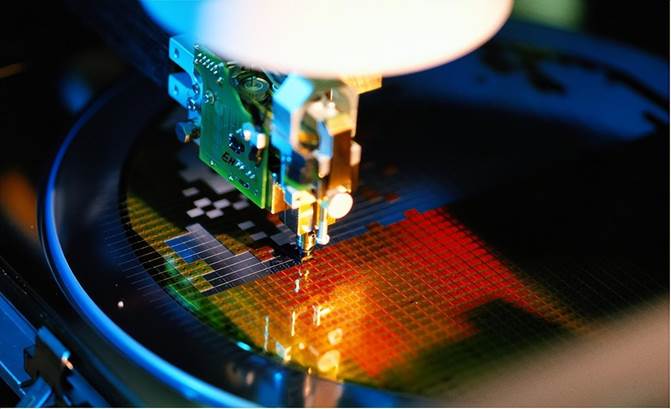

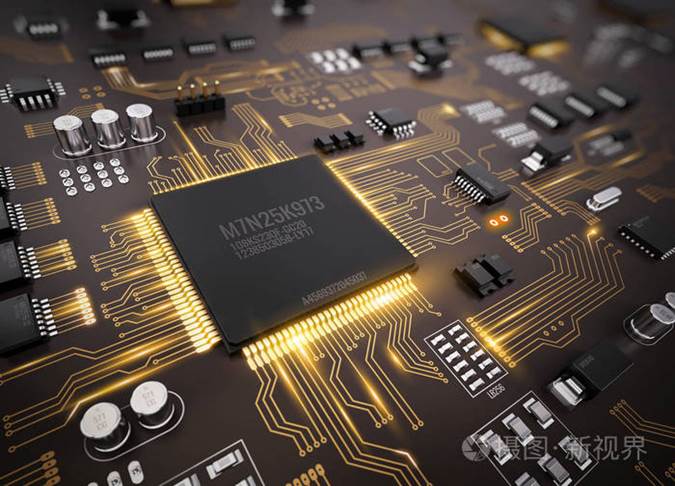
The principle of using quartz sand in chips
The transformation process from quartz sand to chips is a highly integrated and refined process
that involves technology and knowledge from multiple fields.
As one of the raw materials for chips,the purity and quality of quartz sand have a significant
impact on the performance and stability of chips.
Through strict purification processes and precise manufacturing processes, quartz sand can be transformed
into high-quality chip products,which are widely used in electronic devices such as computers,mobile phones,
tablets,and smart home appliances.
The transformation process from quartz sand to chips is a complex and intricate process that involves
multiple steps and key technologies.
The following is a detailed analysis of this process:
1、Purification and treatment of quartz sand
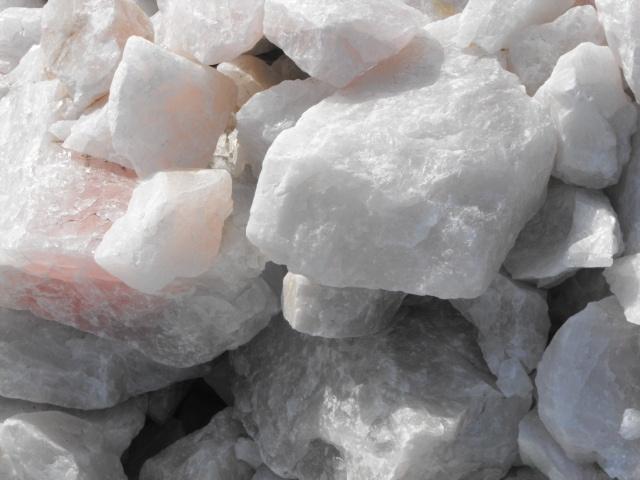
1-1 Mining and Preliminary Processing
Quartz sand first needs to be extracted from quartz ore,and then subjected to preliminary processing such as crushing and screening to obtain raw materials suitable for further purification.
1-2 Purification process
Purification is a key step in the transformation of quartz sand into chip raw materials.
Through techniques such as acid washing, flotation,and high-temperature roasting,impurities
and harmful elements in quartz sand can be removed,achieving a purity of over 99.99% and
meeting the requirements of chip manufacturing.
2、Conversion of quartz sand to silicon
Extracting pure silicon
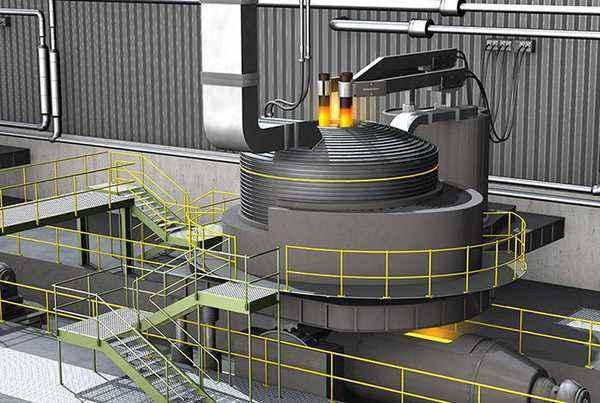
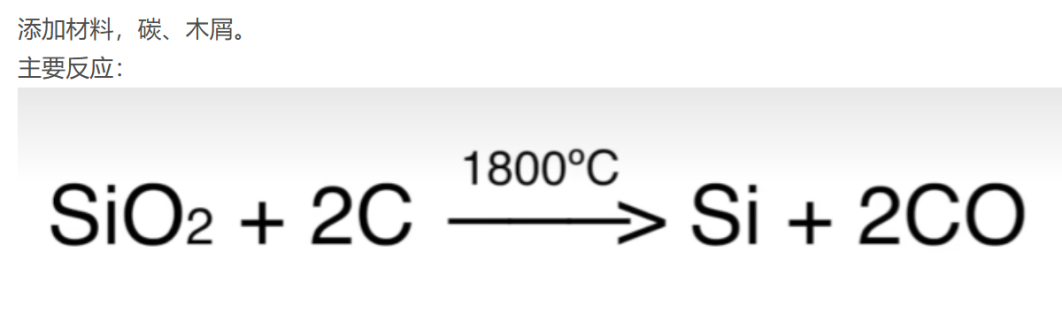
High purity quartz sand can be refined into high-purity silicon through special treatments such as carbon thermal reduction.
Silicon is the foundation of semiconductor materials and is crucial for the manufacturing of chips.
 3.The manufacturing process of
silicon to chip
3.The manufacturing process of
silicon to chip
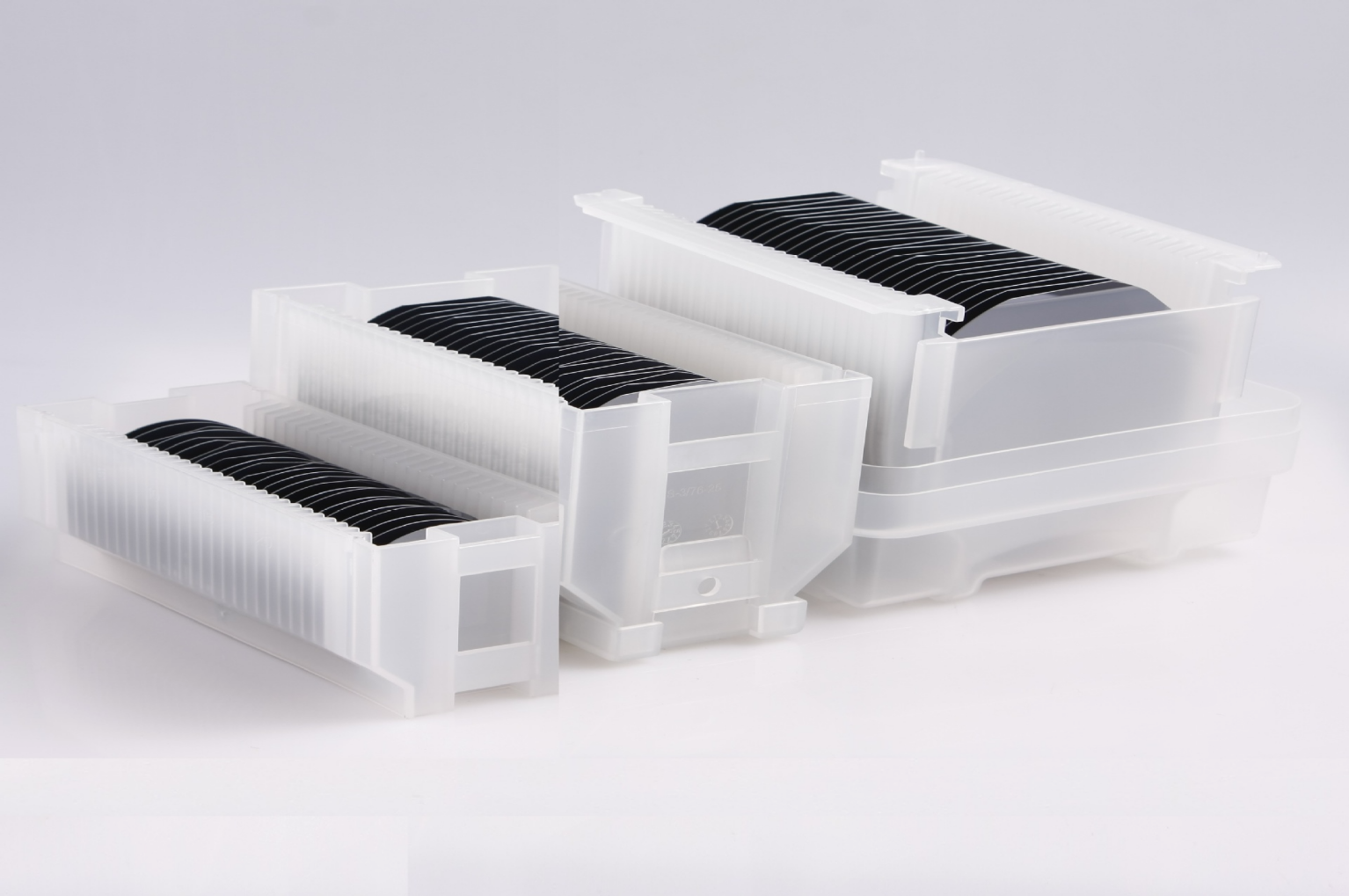
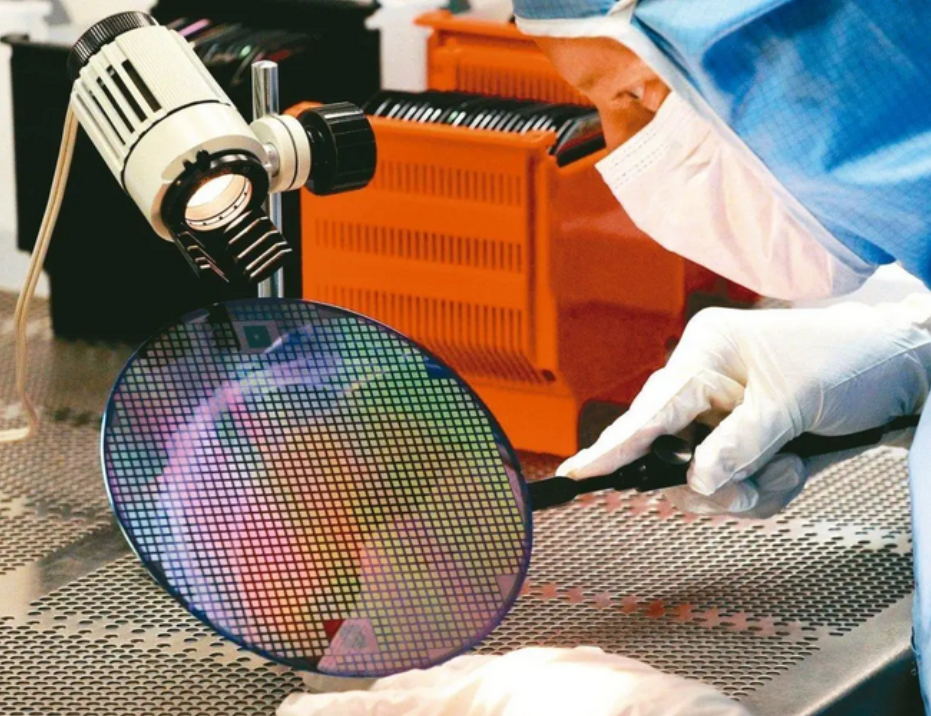
3-1 Making wafers
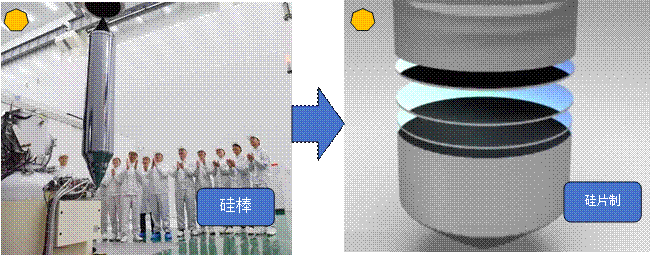
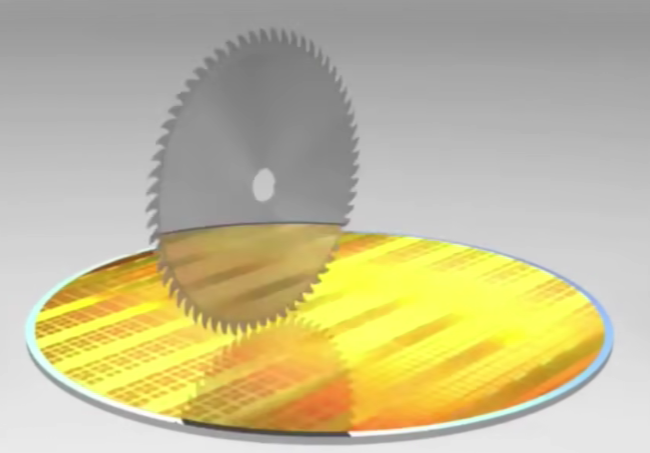
Cut, polish, and polish high-purity silicon into circular wafers.Wafer is the fundamental material for chip manufacturing.
The size of the silicon wafer is 8 inches ≈ 200mm; 12 inches ≈ 300mm,with a silicon wafer thickness of 0.75mm.
Chip level monocrystalline silicon rods are sliced into thin pieces → Chip level silicon wafers → Chip level wafers (purity: 99.99999999%, which is 11 pieces of 9) .
3-2 Coating and Photolithography
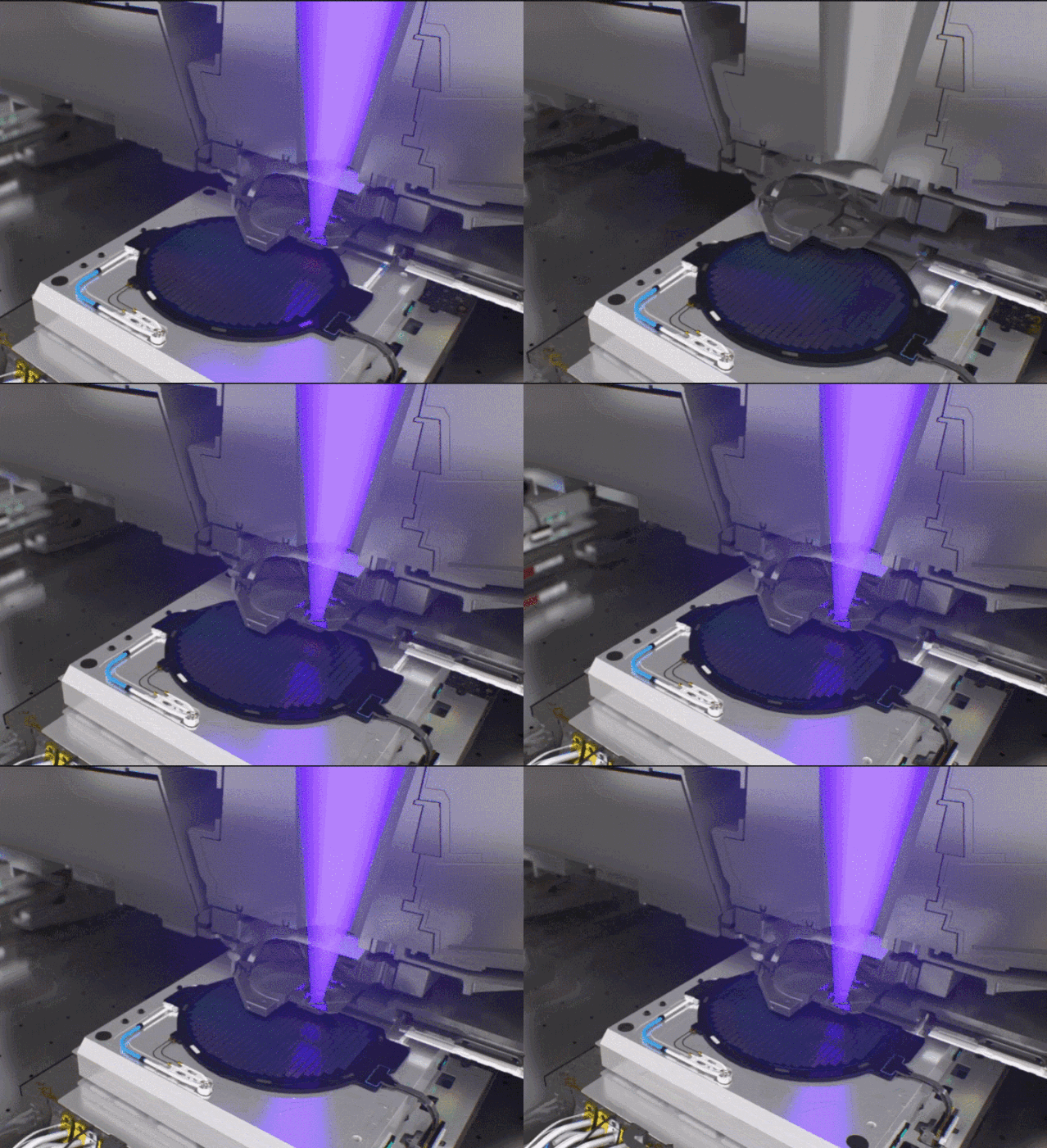
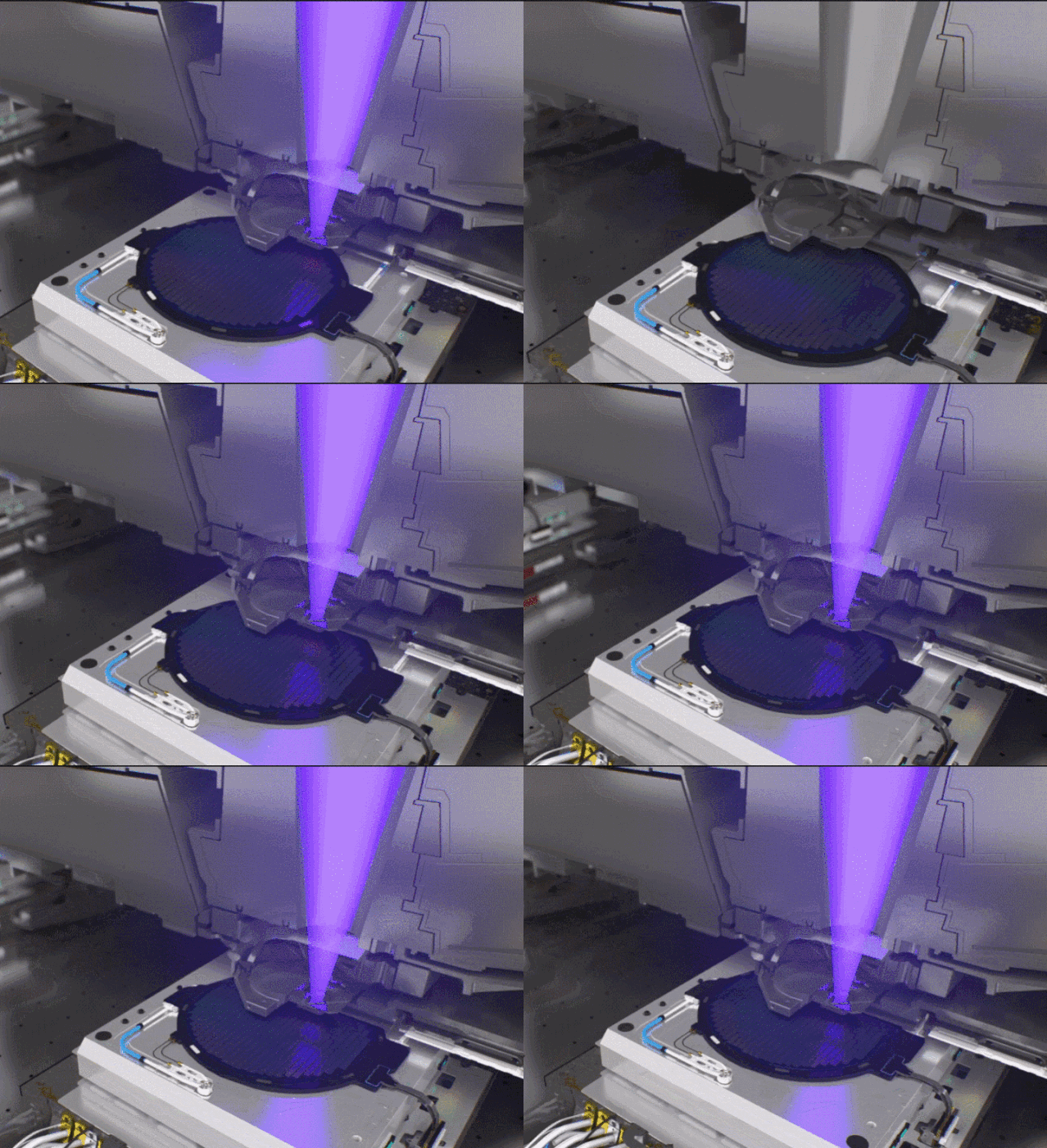
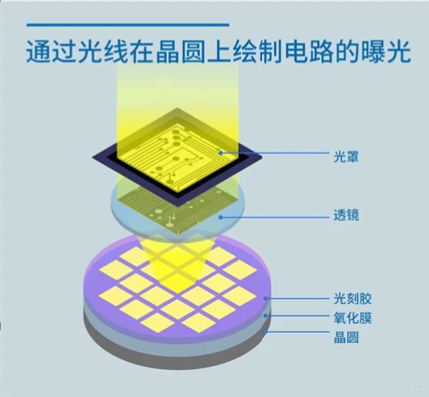
Apply a layer of photoresist on the surface of the wafer,and then use a photolithography machine
to project the designed circuit pattern onto the photoresist. The photoresist undergoes a chemical reaction under illumination,
forming a pattern corresponding to the circuit pattern.
3-3 Manufacturing photomask
High purity quartz sand may be used in this step to manufacture photomasks,which are key tools used in the photolithography process to draw circuit patterns, and their precision directly affects the performance of the chip.
3-4 Etching and ion implantation
Using etching technology to chemically or physically etch the uncovered portion of the wafer with photoresist,
forming grooves or protrusions to construct circuit structures.Next, ion implantation is performed to inject specific types
of ions into the wafer,changing its conductivity to form key components such as PN junctions.
3-5 Metalization and Packaging
Deposition of metal layers on the surface of the wafer to form wires connecting various components,
completing the construction of the circuit.Finally, the chip is packaged to protect its internal circuitry from external environmental influences and facilitate connection with other devices.
4.High end application field of quartz sand
4-1. Photovoltaic industry
In the photovoltaic industry, high-purity quartz sand is mainly used in quartz products such as
diffusion tubes,carriers,and arc crucibles for polycrystalline silicon and monocrystalline silicon photovoltaic production.
The latest quotations for outer sand, middle sand,and inner sand used in domestic quartz crucibles
are 50000 yuan/ton, 100000-120000 yuan/ton,and 190000-220000 yuan/ton,respectively;
The latest quotation for imported sand is 600000 yuan/ton. The drawing of single crystal silicon has strict
requirements for the content of metal impurities in quartz sand. Quartz crucibles made from high-purity quartz sand
have good heat resistance,and both quartz crucibles and crystalline silicon materials belong to siliceous materials.
During the high-temperature extraction of silicon crystals,the crucible can avoid contaminating the silicon crystals.

4-2. Fiber optic cable
High purity quartz sand is mainly used in the field of optical communication to manufacture optical
fiber preforms and auxiliary materials.
The price of high-purity sand for fiber optic production is around 45000 to 55000 yuan/ton.
Fiber preform is the core raw material for manufacturing fiber optic cables,known as the "crown jewel"
of the fiber optic industry,accounting for 70% of the value of the fiber optic industry.
High purity quartz sleeve is an indispensable outer material for fiber preform,while quartz target rod,
tail rod, etc... are supporting materials for fiber drawing.
The core rod and quartz sleeve have very high requirements for technical parameters such as
material purity and hydroxyl content.

4-3. Aerospace
The radiation resistant quartz glass and high-purity quartz glass developed by the Quartz
and Special Glass Research Institute of China Academy of Building Materials Science have specific optical properties,
resistance to cosmic ray irradiation, and thermal shock resistance,making them irreplaceable optical components
for the sun sensor in spacecraft attitude control systems.
High purity quartz sand is currently the main raw material for replacing crystal minerals and melting quartz glass.
Quartz fiber is an inorganic non-metallic fiber made from high-purity quartz sand through special processes,
widely used in missile, aircraft, satellite radar covers, satellite,military ship antennas,
electromagnetic windows (interference and anti-interference equipment),structural materials
for stealth technology (aircraft, military ships, submarines), etc.

4-4. Optical field
The quartz glass produced by electric melting process and gas refining process is made
of high-purity quartz sand as raw material.Components made of quartz glass are critical components in
optical instruments. Transparent quartz glass has good optical properties,low refractive index,and can meet
any transmissionband in the 185-3500m μ wavelength range.
Therefore,it can be used as both a UV transparent material and an infraredtransparent
material for optical instruments. Its main products are used to manufacture spectrometers,infrared cameras,
prisms,and lenses.At the same time, quartz glass has strong thermal stability,with values ranging from 800 to 1000 ℃.
Optical quartz glass is also widely used in high-altitude high-temperature photography,
such as high-temperature work observation windows,high-precision rangefinders, and large astronomical telescopes.
5.Traditional application areas of quartz sand
5-1. Water treatment industry
Quartz sand is the earliest and widely used filter material for wastewater treatment.
Quartz sand is mainly used as a filtering medium in the water treatment industry,which can efficiently
filter out inorganic and organic impurities in water and has strong interception ability.
The particle size and thickness of quartz sand filter material play a crucial role in the filtration performance.
Most water filters use ordinary quartz sand,but the quartz sand used in the resin cushion layer of power plants
is highly refined and purified quartz sand,requiring pure white, dust-free, and strong strength.
When it is difficult to treat wastewater,quartz sand filter media is sometimes modified to improve filtration performance.
5-2. Glass
Silicon dioxide is the main structural component of glass,which can ensure high strength
and good chemical stability of the glass.
Therefore, quartz sand is the most important industrial mineral raw material in the glass industry,
including flat glass, daily-use glass, ultra white glass,photovoltaic glass, quartz glass,etc...
Semiconductor grade high-purity quartz sand requires low iron content and low alkali metal content
as its prominent characteristics,with concentrated particle size distribution and low hydroxyl content.
The quartz glass produced with this type of quartz sand has very few defects such as bubbles,gas lines,
and color lines.
Various types of silicate glass use quartz sand,accounting for more than 40% of the total quartz sand production,
and flat glass use sand accounts for about 20%. Different glass products have different requirements for the composition
of quartz sand.

5-3. Mechanical casting
Silica sand (quartz sand) is the most widely used and largest amount of casting sand.
Silicon sand for casting is a refractory particle material mainly composed of quartz (SiO2)
with a particle size of 0.020mm-3.350mm.
According to different mining and processing methods,it is divided into natural silicon sand such as
washed sand, scrubbing sand, and selected sand, as well as artificial silicon sand.
Natural silica sand is mainly used as molding sand and core sand for non-ferrous alloy castings,cast iron parts,
and small and medium-sized steel castings. Selected natural silica sand is mainly used for various molding sands and
core sands with organic compounds as binders. Artificial silica sand is mainly used as molding sand and core sand
for steel castings.
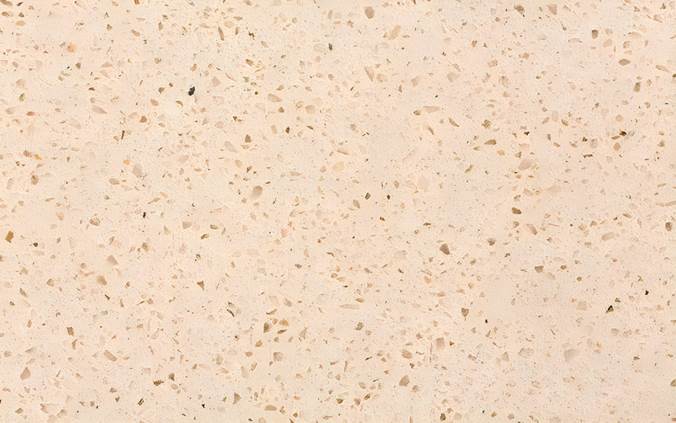
5-4. Artificial quartz stone
Artificial quartz stone is a type of artificial stone that uses natural quartz stone (sand, powder), silica sand,
tailings residue and other inorganic materials (mainly composed of silicon dioxide) as the main raw material,
and polymer or cement or a mixture of both as the bonding material.
It is commonly referred to as quartz stone or artificial quartz stone, commonly known as quartz
microcrystalline synthetic decorative board or artificial silicon crystal.
Natural quartz sand (powder) accounts for more than 90% of the aggregate in artificial quartz stone,
while pigments, resins,and other additives that regulate bonding, curing,etc... account for about 10%.
There is no unified standard for its requirements for quartz raw materials.
It can be said that any quartz ore can be used as raw material for artificial quartz,such as vein quartz,
sandstone quartz, weathered quartz, etc.Currently, vein quartz is the main material in the market.
5-5. Metallurgical industry
In the metallurgical industry, quartz can be used to manufacture refractory materials (silicon bricks),
smelt silicon alloys (silicon iron, silicon manganese, silicon chromium), or as a flux.
Materials with high silicon dioxide content can be used as raw materials for industrial silicon production.
So, according to their use, metallurgical silica (quartz) can be divided into refractory silica,ferroalloy silica,
and industrial silica.The SiO2 content of silica used for smelting ferrosilicon must be greater than 97%,
and it must have good high-temperature blast resistance.
5-6. Ceramics
Quartz is one of the main raw materials for ceramic production,playing a crucial role in both
ceramic bodies and glazes,including daily-use ceramics, high silica ceramics, etc.
The maximum usage of quartz in ceramic glaze is up to 40%,and it is generally obtained locally.
The use of commercial quartz sand is rare.In the basic composition of color glaze materials,due to the requirement
for precise formula,it is necessary to use quartz sand with relatively pure ingredients as the formula.
So quartz sand is generally used in ceramic glazes and raw materials with high composition requirements.
The usage of quartz sand in glaze is 10% to 30%.The commonly used quartz raw materials in the ceramic industry
include vein quartz,quartzite,powder quartz, and other types.In ceramic applications, the purity, iron and titanium
content,particle size,and particle shapeof quartz are all important quality indicators.
5-7. Functional fillers
Quartz sand is ground and processed into silicon micro powder,which can be widely used as
a functional filler in various fields,such as copper-clad laminates, epoxy sealing materials,
electrical insulation materials,rubber, plastics,coatings, adhesives, cosmetics, etc.
For example, the epoxy encapsulation material (EMC) industry is the traditional application
market for silicon micro powder,and the filling material for EMC mainly uses silicon micro powder
with a filling amount of 60% to 90%. At present, the highest filling rate of spherical silicon micro powder in
epoxy plastic sealant(EMC)internationally has reached over 90%.
5-8. Superhard material
At present, the industrial production of silicon carbide in China is divided into two types:
black silicon carbide and green silicon carbide. Black silicon carbide is mainly made from quartz sand,
petroleum coke,and high-quality silica as raw materials, and is smelted at high temperatures in a resistance furnace.
Green silicon carbide is mainly made from petroleum coke and high-quality silica,with salt added as an additive,
and is smelted at high temperature in a resistance furnace.
5-9. Chemical industry
In the field of chemical processing, quartz sand is the main raw material for producing potassium silicate,
sodium silicate, and various forms of silica. Sodium silicate (also known as sodium silicate or sodium silicate) is a
soluble silicate made by mixing quartz sand and alkali in a certain proportion and melting them at high temperature.
At present, sodium silicate is the main product of the silicon series,accounting for over 90% of the total
soluble silicate production.
Sodium silicate is the parent material of inorganic silicides and an indispensable basic chemical
raw material in various industries.The production of sodium silicate requires high purity of quartz sand,at least reaching
the standard of container glass grade quartz sand.
For example, iron (Fe2O3) should be less than 0.03%,and the heavy mineral content should be less than 5 × 10⁻⁶.
However, it has relatively high requirements for Al2O3 and CaO, both of which should be less than 0.1%. In some cases,
the requirements are even higher, with a content of 0.01% -0.02% each.
5-10. Oil industry
At present, the widely used proppants in the petroleum industry mainly include natural quartz sand,
artificial ceramic particles, and film coated proppants.
Among them,quartz sand accounts for 80%,ceramic particle proppants account for 10%,
and film coated resin sand accounts for 10%.
At present, the application of PetroChina quartz sand proppants has become mainstream.
In 2022, the company's proppants totaled 8.34 million tons,including 7.14 million tons of quartz sand,
accounting for 85.6% of the total. The proportion of quartz sand in shallow shale gas above 3500 meters has
increased from 34% to 75%,while the proportion of quartz sand in Daqing Gulong and Xinjiang shale oil
is almost 100%.
5-11. Fiberglass
Fiberglass is an inorganic non-metallic material produced from major mineral raw materials
such as pyrophyllite, quartz sand,limestone, dolomite, borosilicate, and magnesia,as well as chemical raw materials
such as boric acid and soda ash.
It is widely used in building materials, electronic appliances,rail transit, petrochemicals, automobile manufacturing,
aerospace,wind power generation, filtration and dust removal,environmental engineering, marine engineering,
and other fields.From the perspective of the cost composition of fiberglass production,raw materials
such as pyrophyllite, quartz sand,and limestone account for about 21.7% of the cost,with pyrophyllite
accounting for about one-third,and the sum of quartz sand and limestone also accounting for a certain share.
5-12. Calcium silicate board
Calcium silicate board is an inorganic building board with high strength and stable performance,
mainly made of siliceous materials,calcium materials,and reinforced fibers. It is produced through slurry forming,
slab compaction, and steam curing. It can be widely used in the insulation and decoration of interior and
exterior walls of buildings,ceilings,cabin partitions, billboards, and other fields.
Quartz sand is one of the most important raw materials in calcium silicate products,
accounting for 40% of the quality of calcium silicate board raw materials.
5-13. Lighting industry
Quartz glass has good transmittance from ultraviolet light,visible light to infrared light (160nm~4500nm),
and is an important raw material in the field of industrial lighting.
Due to the high-intensity gas discharge generated by electric light source products,the surface
of the bulb material needs to withstand high temperature and high pressure.
In order to ensure the quality of the lamp tube,the bulb is generally made of quartz tube.
Specific products include lighting products such as halogen lamps,HID lamps, car lamps,
as well as special light sources such as infrared heating lamps and ultraviolet sterilization lamps.
The IOTA6, IOTASTD, and IOTACG series of high-purity quartz sands from the United States are
the main raw materials for producing lighting equipment,which can be used to produce
automotive hernia lamps,halogen lamps,high-intensity gas discharge lamps,and ultra-high performance lamps.